

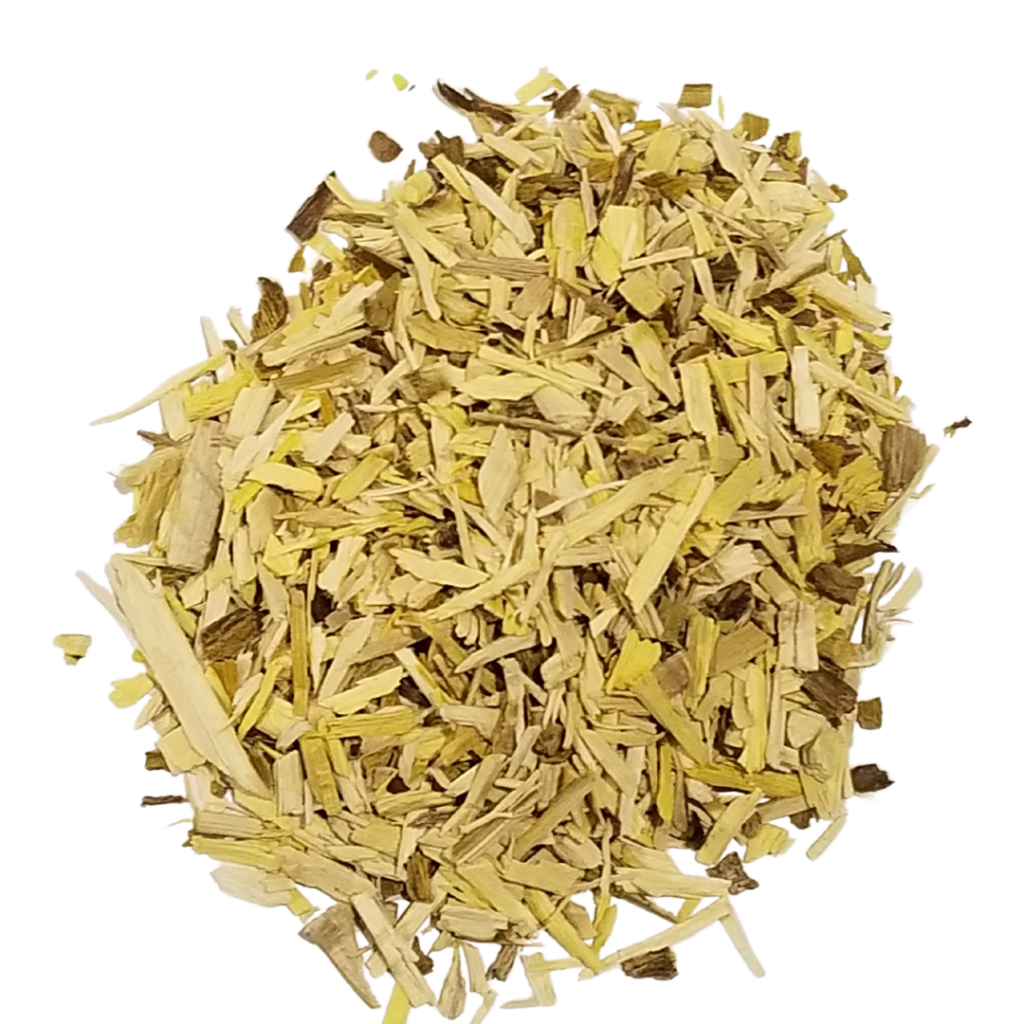
Oregon Grape Root
Oregon Grape Root has been used in the Pacific Northwest by Native American tribes for generations and long utilized in Traditional Chinese Medicine for many medicinal purposes. European folk wisdom has adopted similar uses, while also keeping the enemy at bay when posted at your threshold. A plant embodying the feminine, Oregon Grape Root builds bridges between energies in combination…
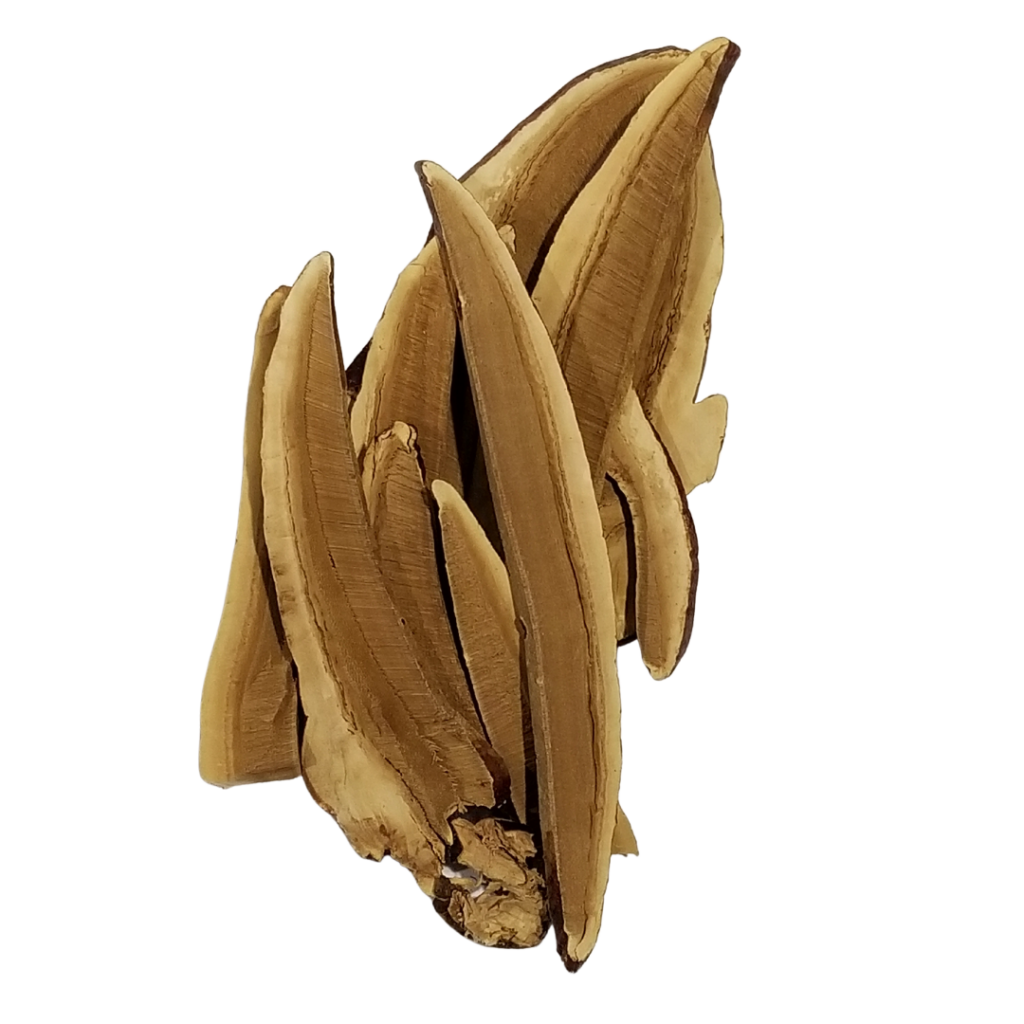
Reishi Mushroom
The “Spirit Plant”, Ling Zhi, is more affectionately known in Western culture as the ‘Reishi mushroom’. This mushroom of immortality was held in the highest regard by the first emperor in the line of rulers in ancient China, Emperor Yan, who founded the agricultural tools and practices for farming. Its latin name is Ganoderma lucidum, originally meaning “shiny, brilliant skin”.…
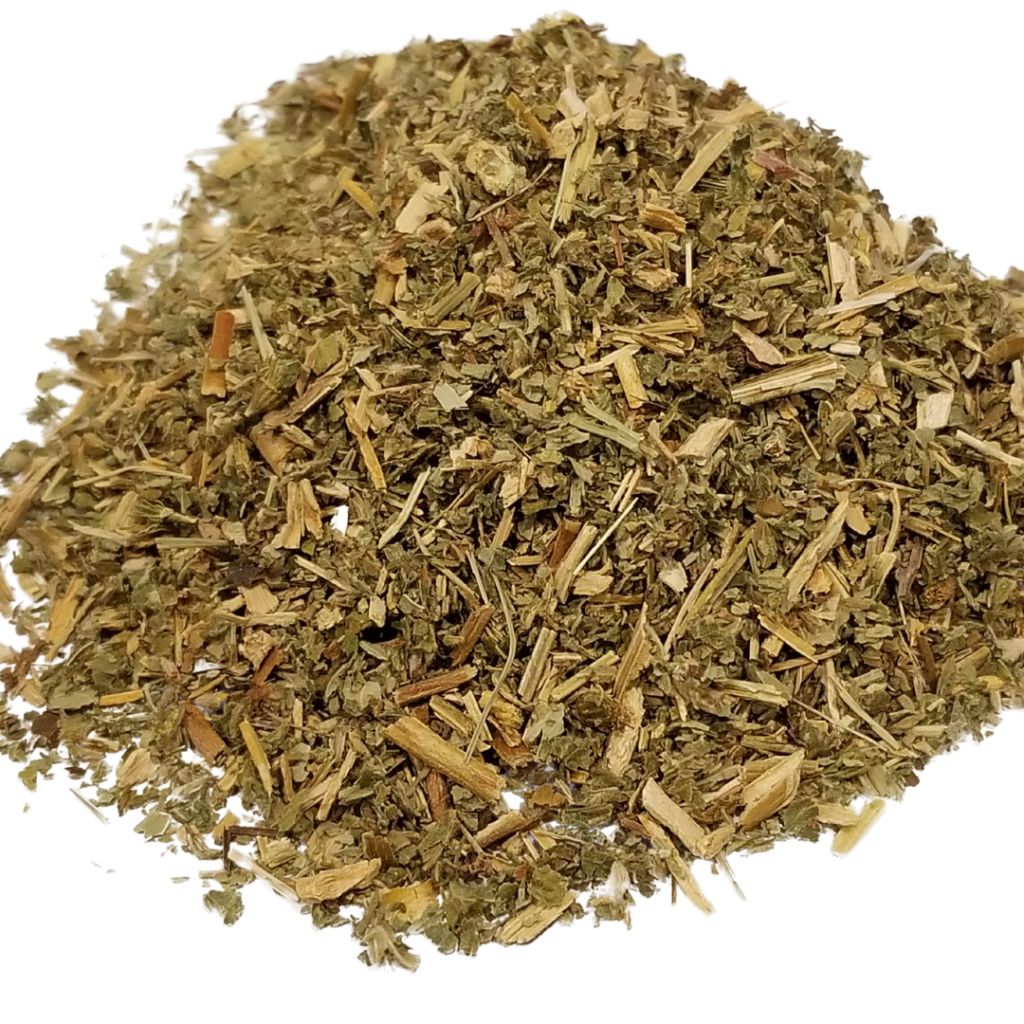
Agrimony
Agrimony, from the Greek ‘Argemone’, was originally known as the ‘herb that could heal the eyes’. Known by Roman naturalist, Pliny the Elder, as “an herb of princely authorité”, Agrimony has been used in folklore (though known as ‘Cocklebur’, then) for ailments of the body and protection of the mind, body and spirit. In Complete Herbal (1653), Nicholas Culpeper noted…
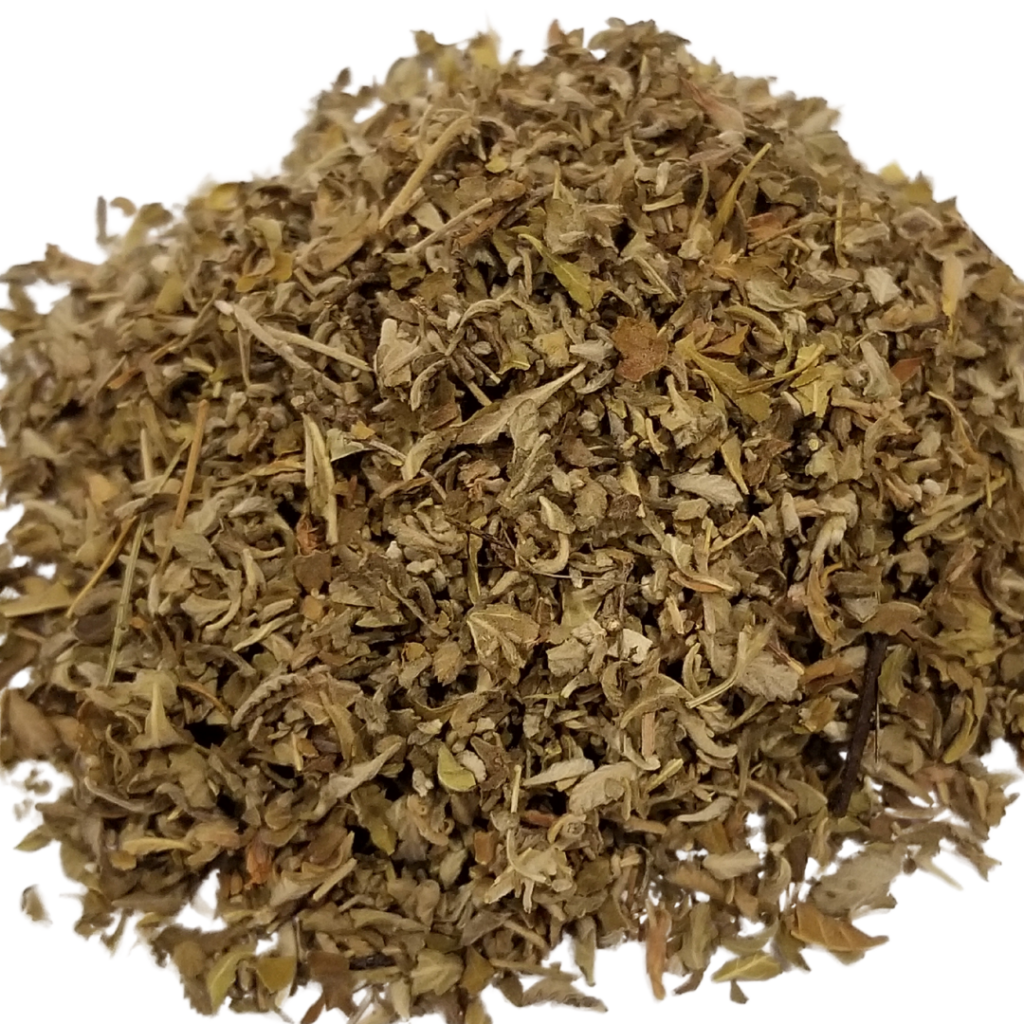
Damiana Leaf
Damiana has a generational history of use as a tonic for the nervous system and an assistant in relieving symptoms of anxiety and stress. It works to help soothe the hormonal system and welcome ease and balance into ones’ life. With lineage spanning back to Aztec and other indigenous cultures, Damiana has since been found to be a native of…
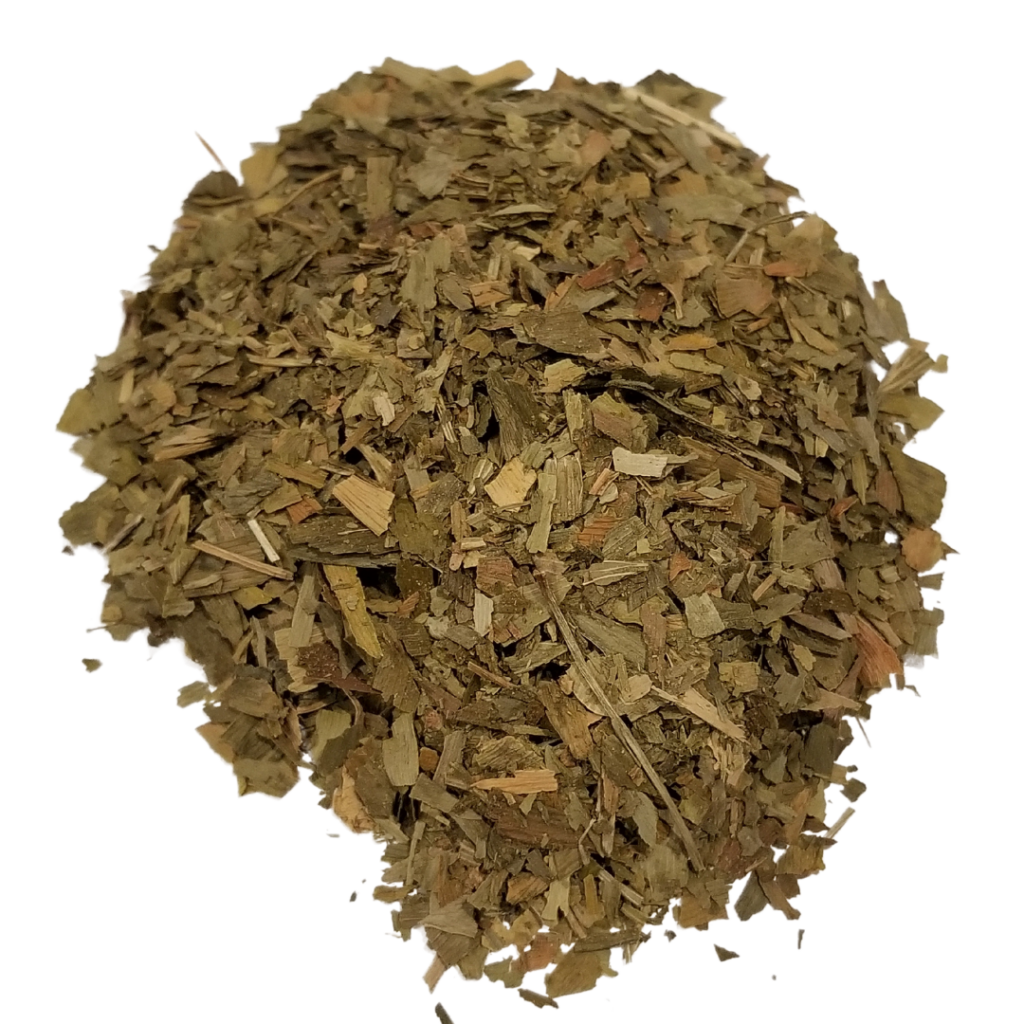
Ginkgo Leaf
The longest living “fossil” of gymnosperms, the Ginkgo tree, is the single remaining representative of the order Ginkoales, which has been dated back to the Permian period over 270 million years ago. Alongside its 19 family members, the Ginkgo stood up to fifty to eighty feet tall while the dinosaurs roamed the same lands. Its biology astounds scientists, as it…
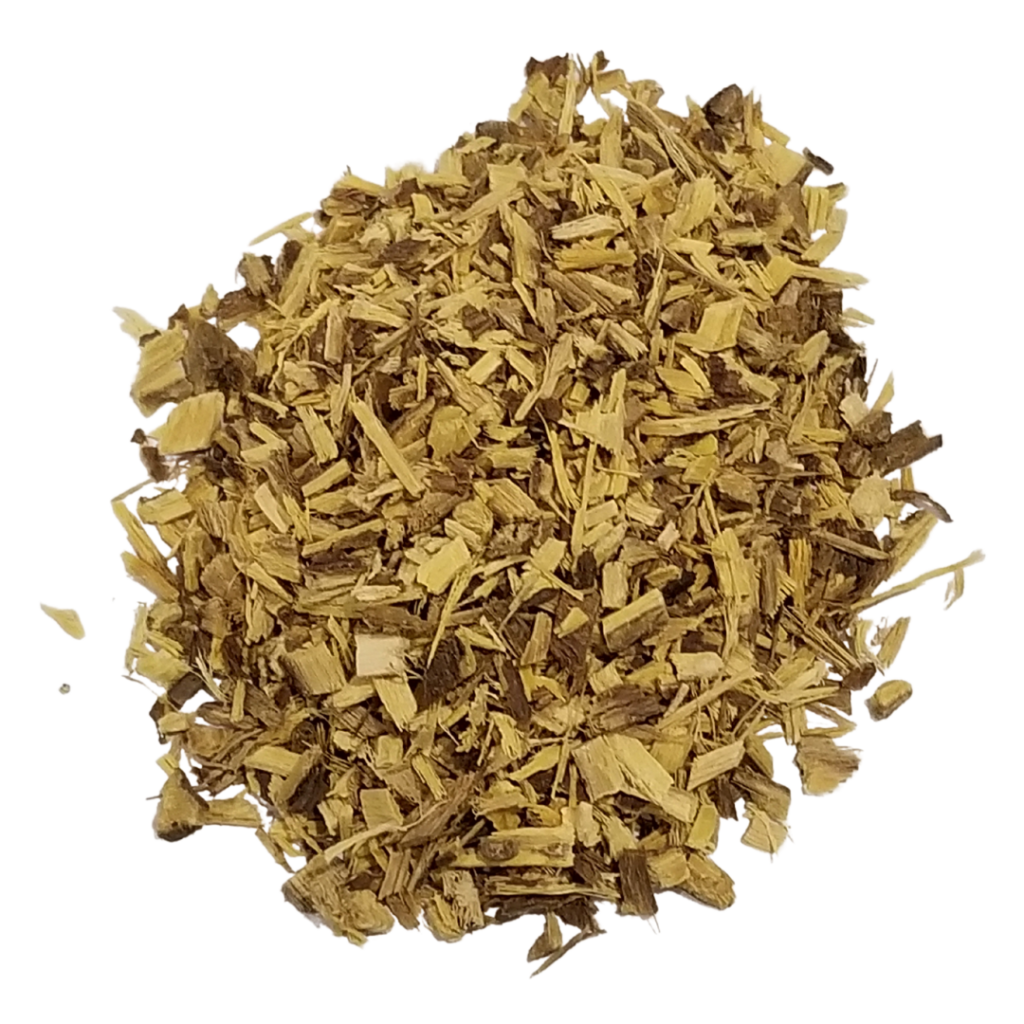
Licorice Root
Native to parts of Asia, the Middle East and India, Licorice Root has a long reputation both as a medicine and food additive. Despite its name, Licorice is not typically used to flavor “licorice candies” in today’s society. This “Sweet Root” has been used as an expectorant to remove phlegm from the system, while its demulcent effects form a protective…
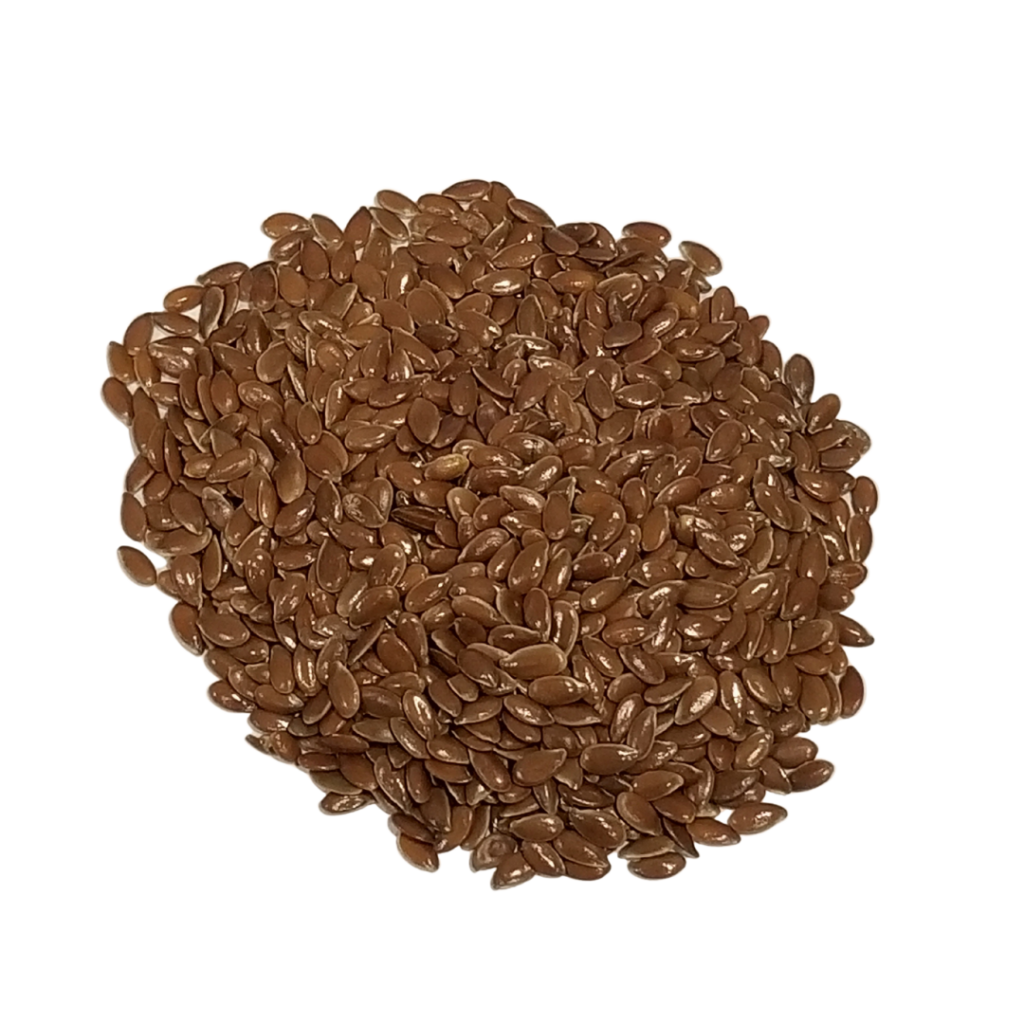
Flax Seed
Flax Seed has been used for thousands of years as a staple in both cuisine, health, magick, and the production of linens and cloths. Its usefulness is presented by its Latin name, Linum usitatissimum, which translates to “thread most useful”. One of the oldest cultivated crops for humankind, Flax Seed’s uses have been passed down through traditions dating back to…
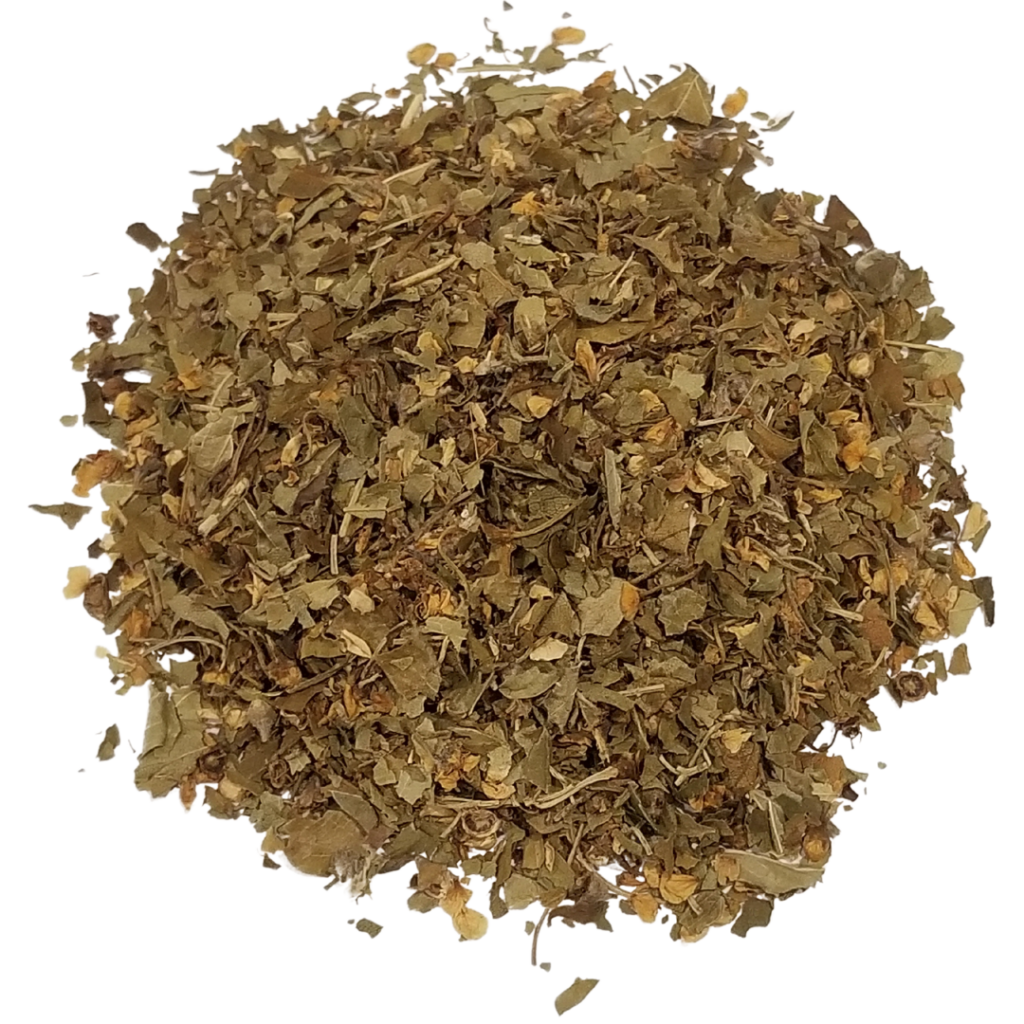
Hawthorn
A temperate native to Europe, East Asia, and parts of North America, Hawthorn sits proudly on the lawns of many, boasting its bright red berries and lavish green leaves. Now wildcrafted (gathered in the wild) in native and non-native areas around the world, Hawthorn’s generic name, Crataegus, is rooted in the Greek word ‘kratos’, meaning ‘hard’ or ‘strong’. Many species…
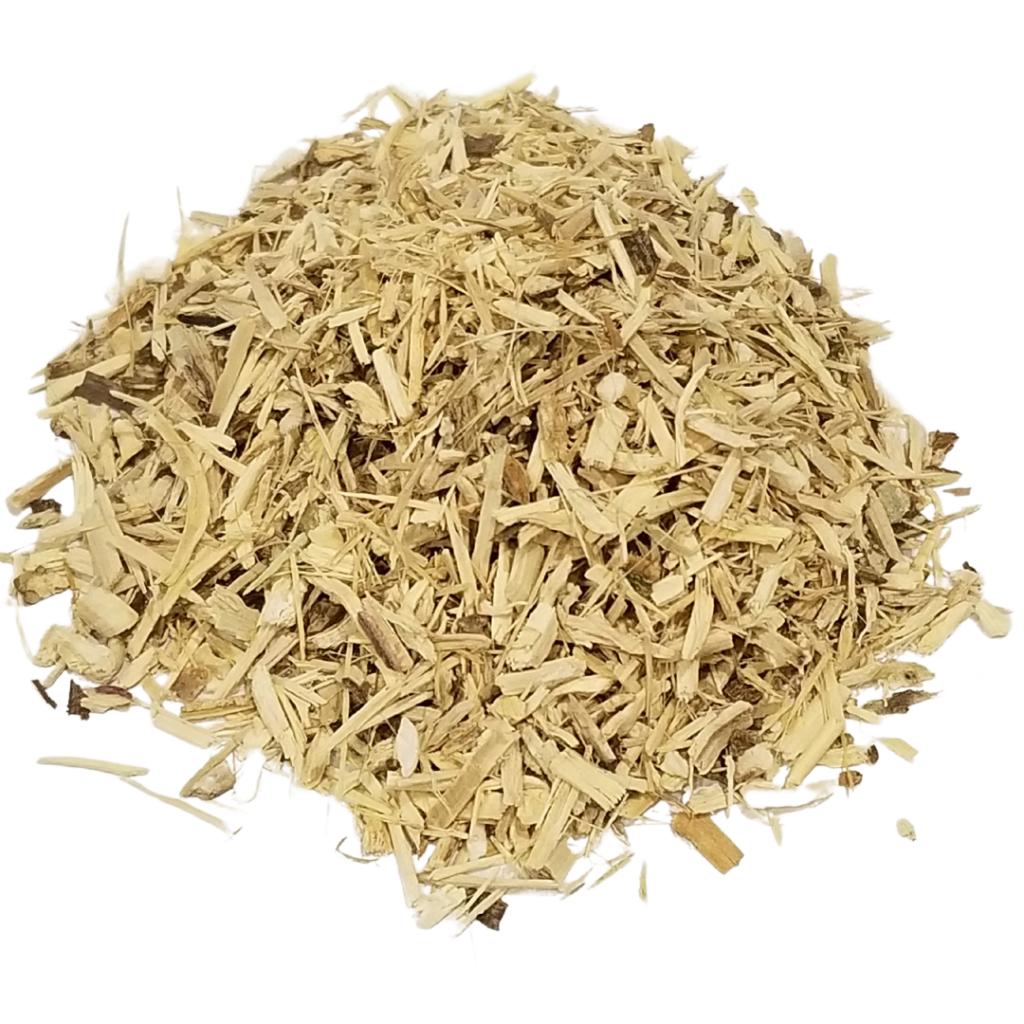
Eleuthero Root
Eleuthero has been used for over 2,000 years, beginning in Northern China, Japan, Southeastern Russia, and North and South Korea. Not to be mistaken for American Ginseng, Eleuthero is more commonly sold as Siberian Ginseng in your local health supplement aisle. This adaptogen helps aid the body in how it processes stress and stimulates body function. It invigorates the central…
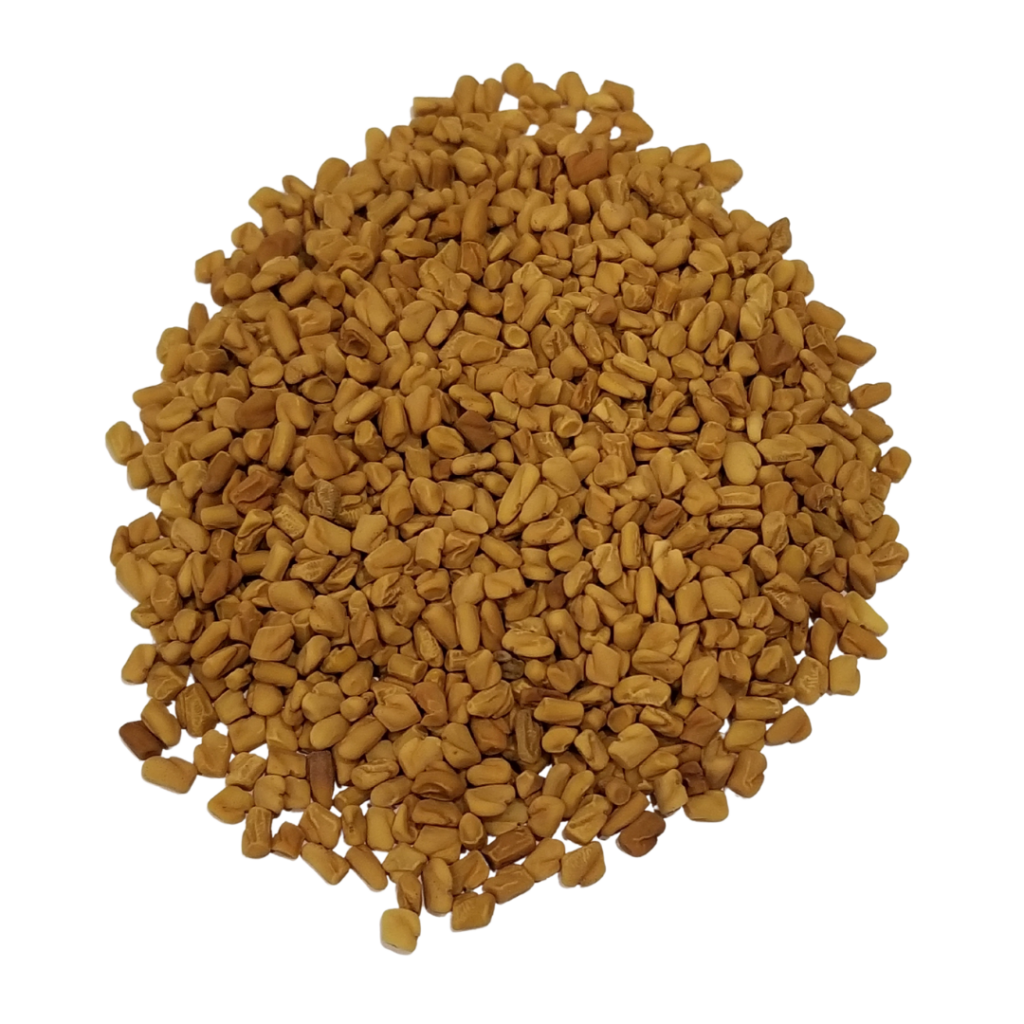
Fenugreek Seed
One of the oldest plants used for medicinal purposes, Fenugreek Seed continues to be used by many cultures, though its regular use as a sultry Kyphi incense is rooted in Ancient Egyptian culture, as the plant grows natively in India and Northern Africa. It was used as a spice for cooking, as well as ground and mixed into a paste…
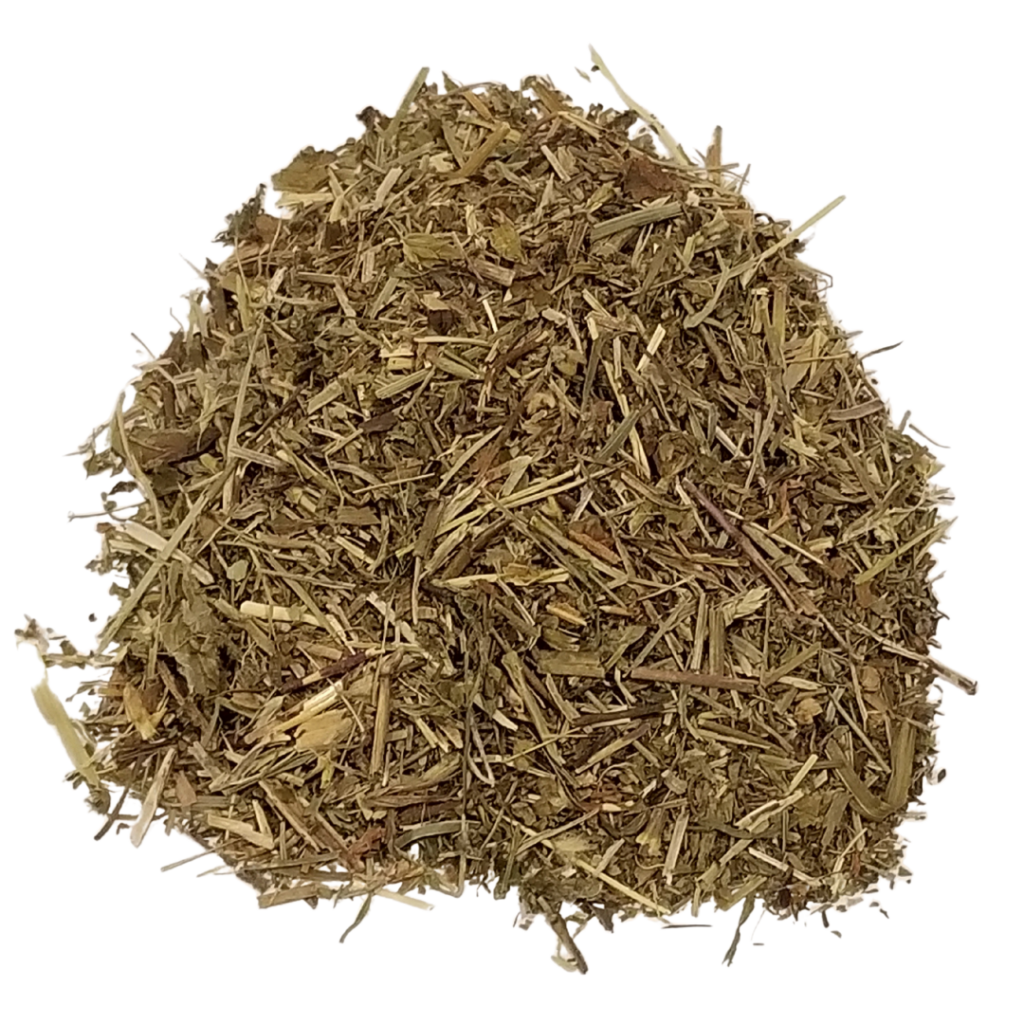
Speedwell
Native to Europe and parts of Asia, Speedwell likes a temperate climate and grows with streaks in its petals, likened to the tears shed by Veronica, the woman who is said to have wiped Jesus’ face upon crucifixion. Historically, this bitter tasting herb has a poignant smell marking its place in Old World medicine as an easily recognized staple for…
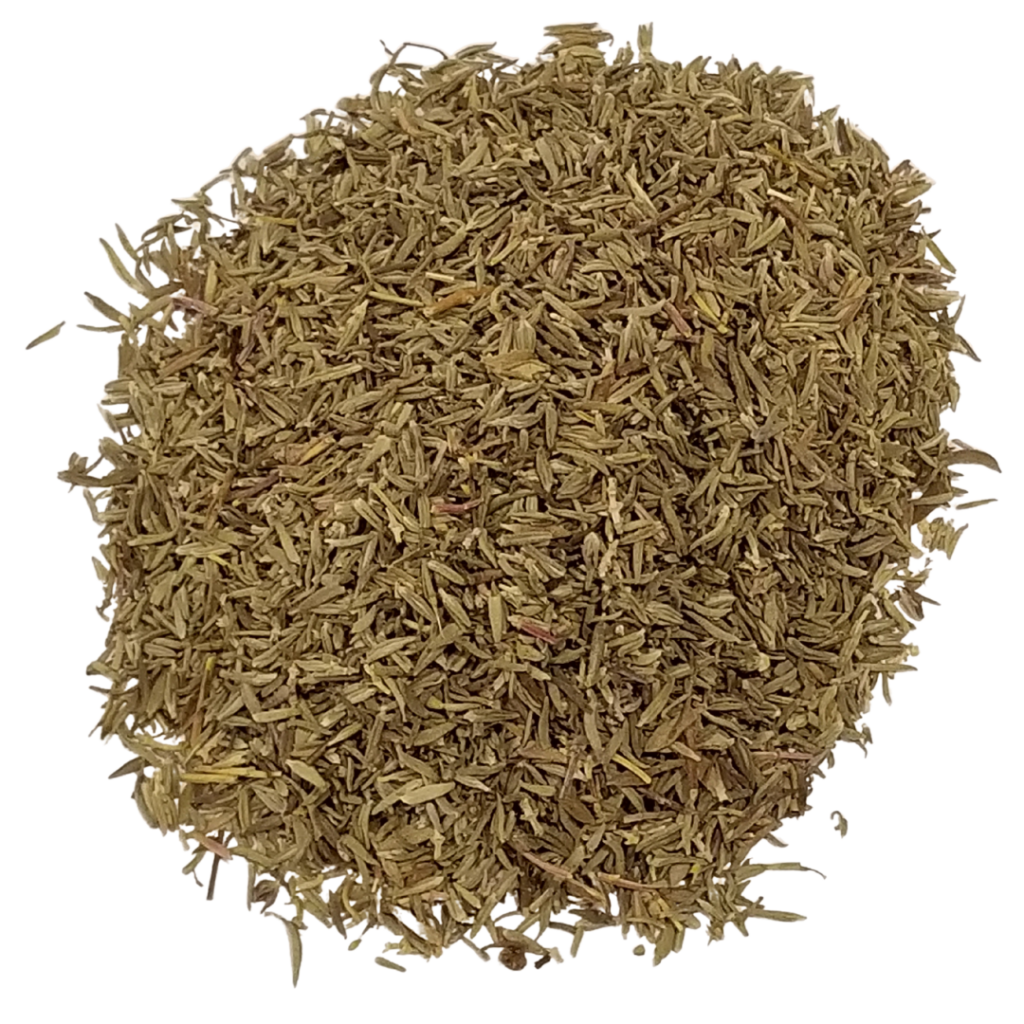
Thyme Leaf
“The smell of thyme was pungent in the air. It grew wild by the roadside. Thyme improves the memory, Joe used to say. He used to make a syrup out of it, keeping it in a bottle in the pantry. Two tablespoonsful every morning before breakfast…” Joanne Harris, Blackberry Wine Thyme leaf has been a staple in the kitchen cupboards…
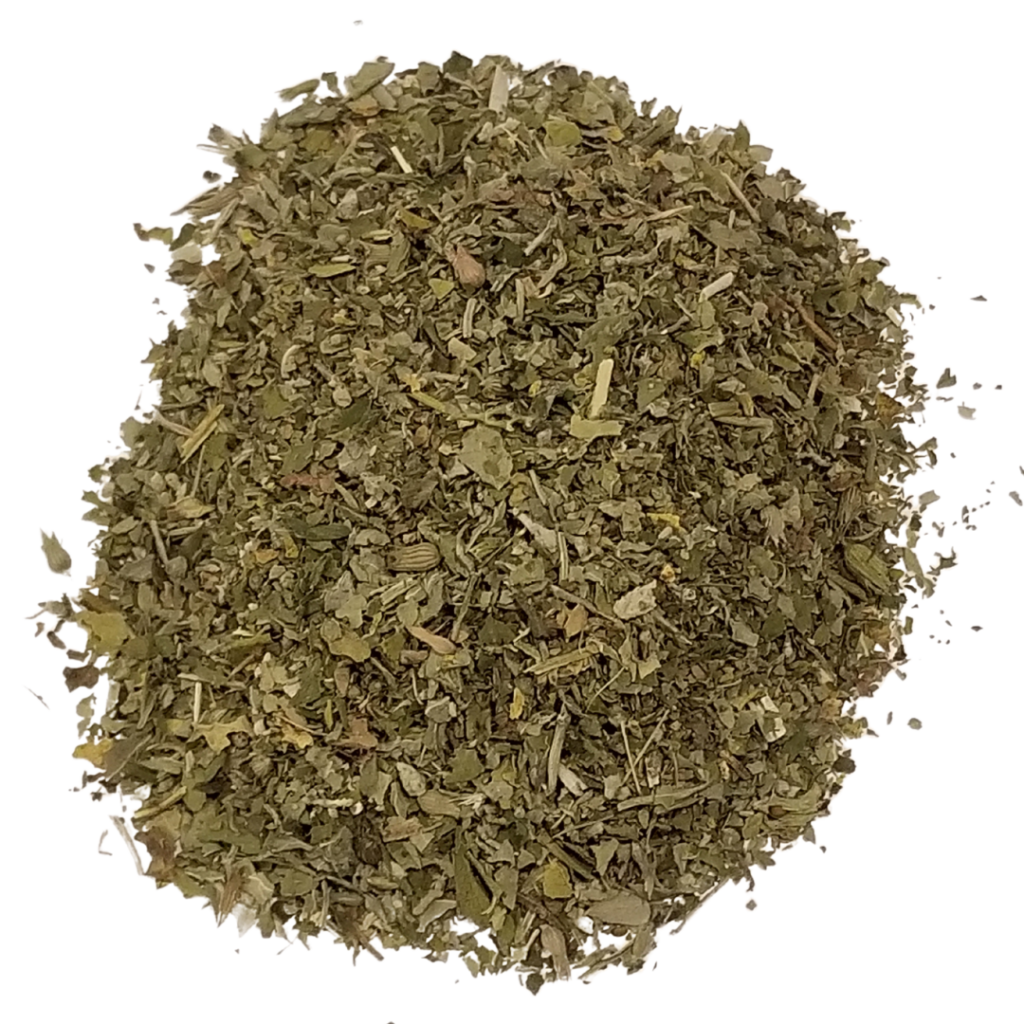
Catnip
The plant our feline friends know and love, Catnip is easily grown and more readily available than ever before. An extension of the mint family, it feels easy to assume that Catnip was originally used in Ancient Egypt, given the divinity of felines within the culture, but it is stated its medicinal and culinary use was prominent in the ancient…
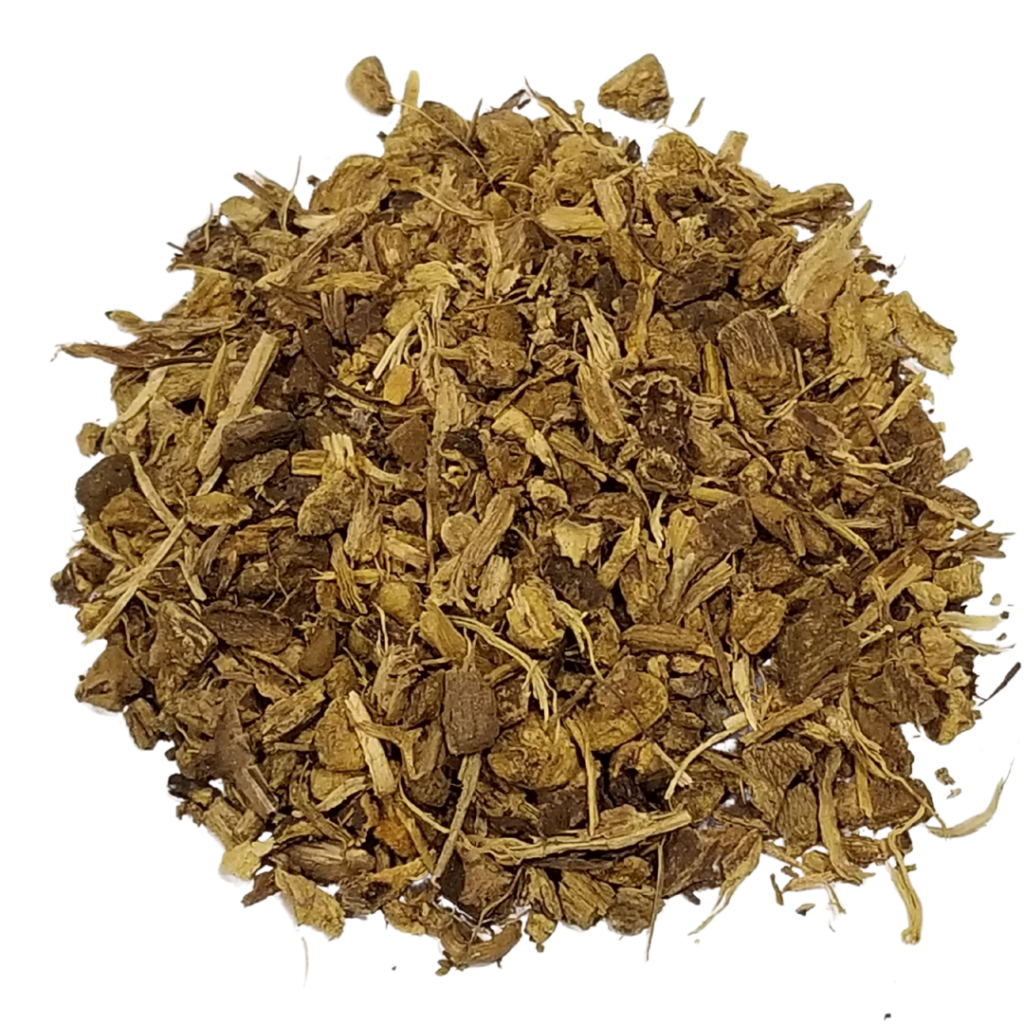
Yellow Dock Root
Yellow (curly) dock is a prominent weed found native to Western Asia and parts of Europe. It has been used extensively in Native American cultures as a poultice for burns, rashes, boils and other inflammations, as a steeped drink to purify the blood and push toxins out of the system, specifically before healing or spiritual ritual. Early European sailors used…
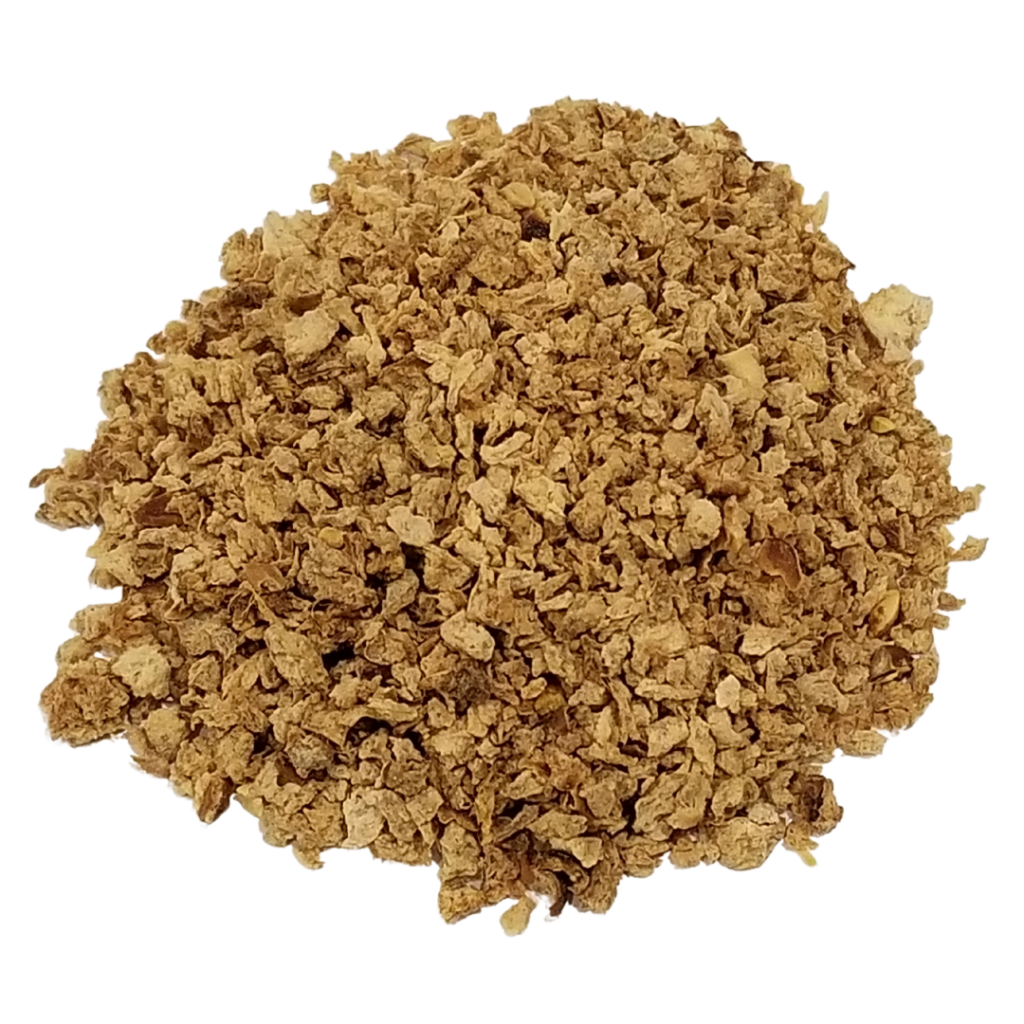
Amla
The Amalaki tree is said to have been gifted in the heat of a battle between gods and demons. Immortality fell to Earth in the form of bubbles and is referred to as sarvadosha hara, or the ‘remover of all disease’. In Ayurveda, it works to ease and balance all three doshas (pitta, kapha, and vata) that are necessary to…
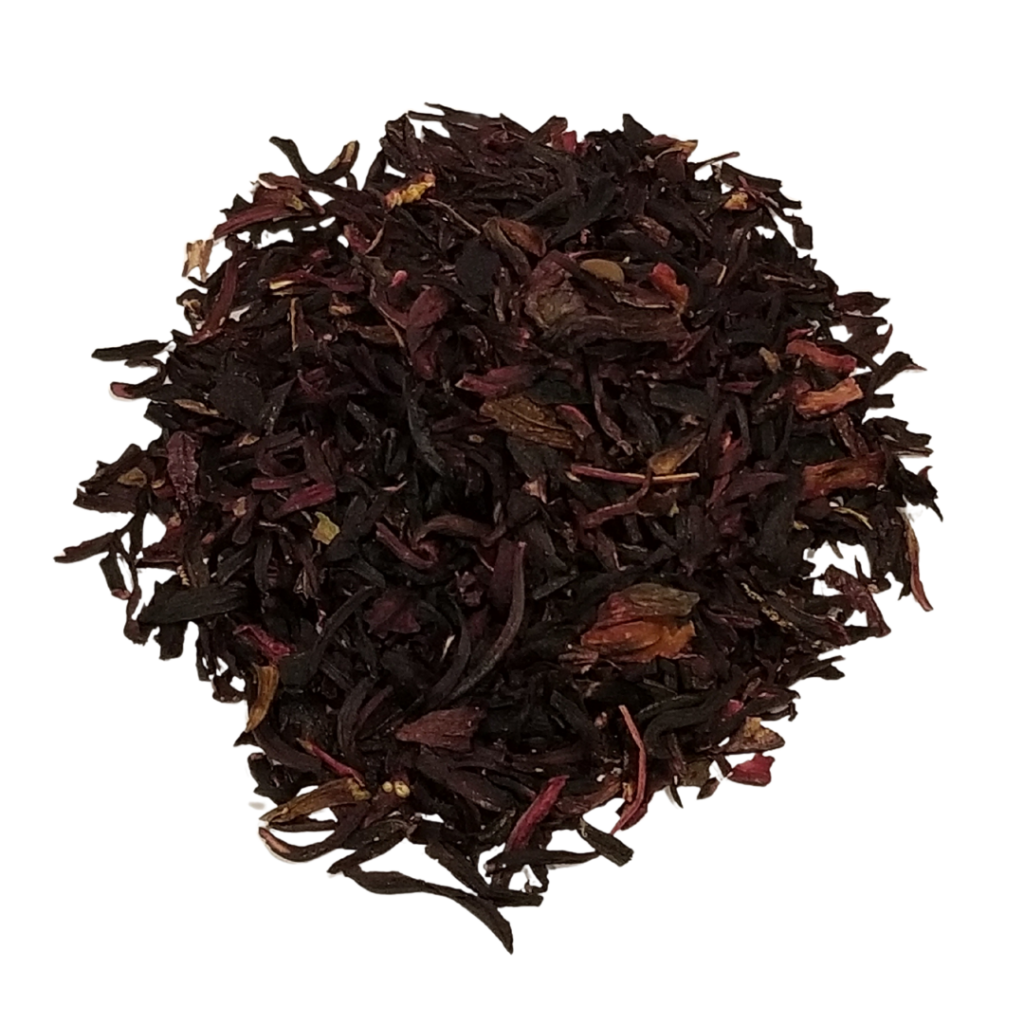
Hibiscus
“It was then that I noticed the hibiscus tree. Its magenta flowers were in bloom, brilliant and full with fertile golden centers. The tree was incongruous with its surroundings- the dirt, the man weathered from the sun and life.” -Alex Brunkhorst, The Gilded Life of Matilda Duplaine The Rose of Sharon, most commonly known as the Hibiscus plant, is…
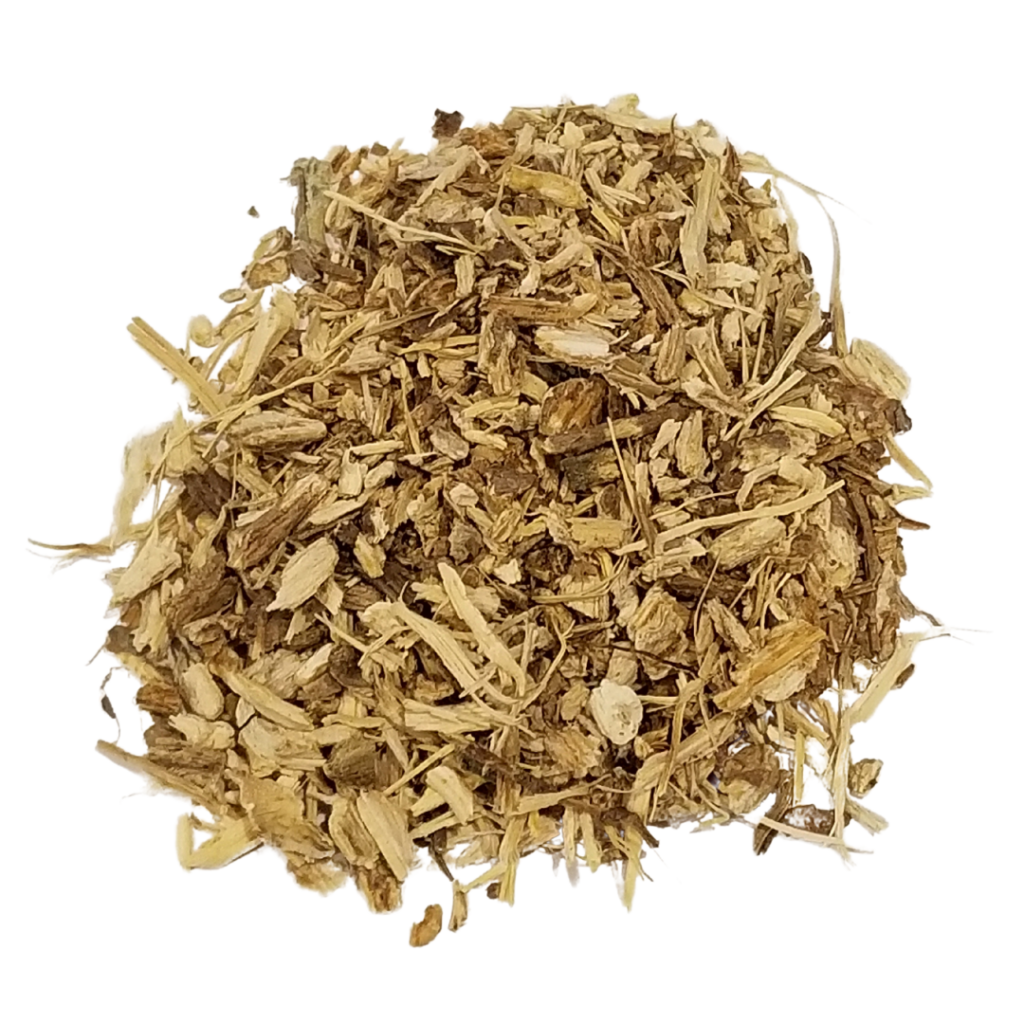
Spikenard Root
A North American Native, Spikenard Root grows anywhere from the center of Canada through the south to the Midwest and East Coast of the United States. The Cherokee cultivated Spikenard for medicinal purposes and taught the colonizers how to make it into a tea for backaches. The Menominee, who lived in modern day Wisconsin, used it as a cure for…
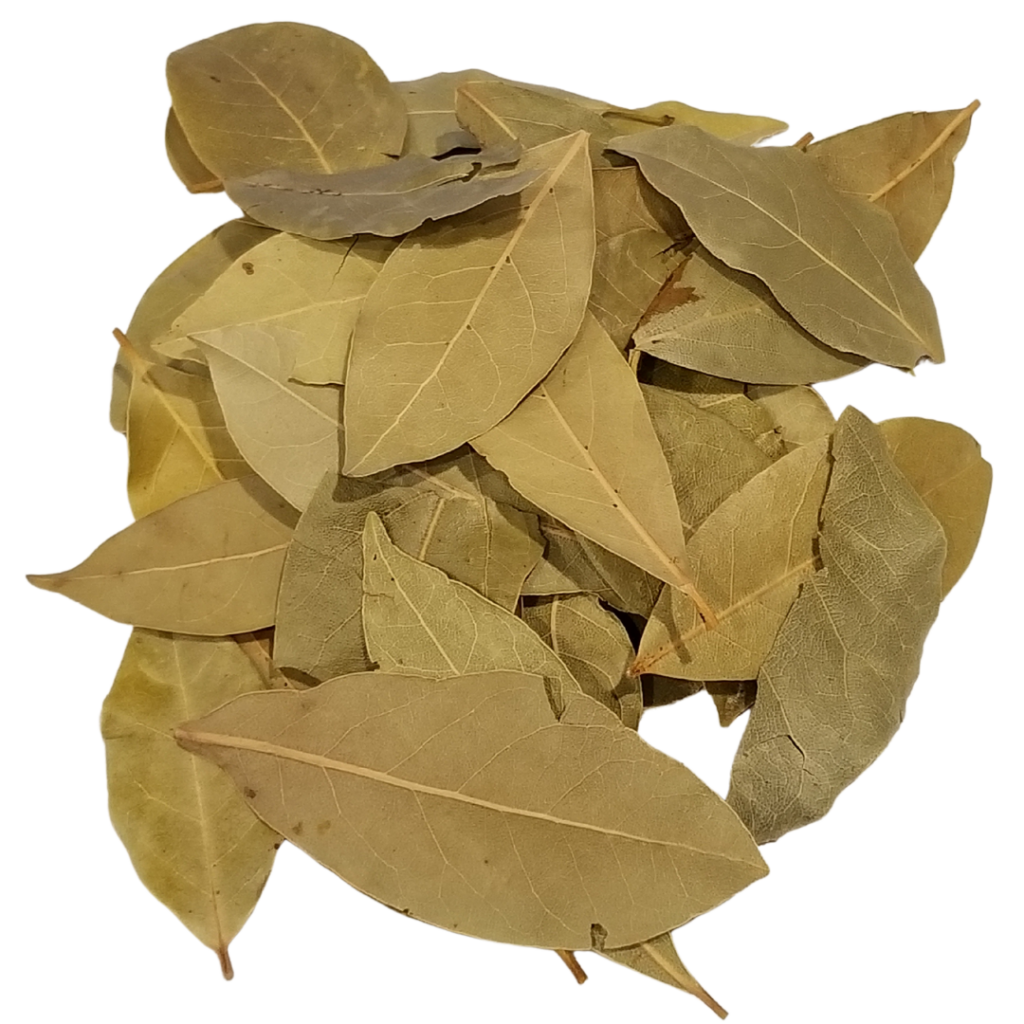
Bay Leaf
Bay leaves are cultivated all over the world, can likely be found in your kitchen cupboard, it originated in South Asia. Rooted in the mythical origins of the Laurel tree, Bay dates back to tales of Daphne and Apollo in Ancient Greek culture. Seen as a symbol of natural and nurtured wisdom, Bay seeks to heal and protect. The leaves…
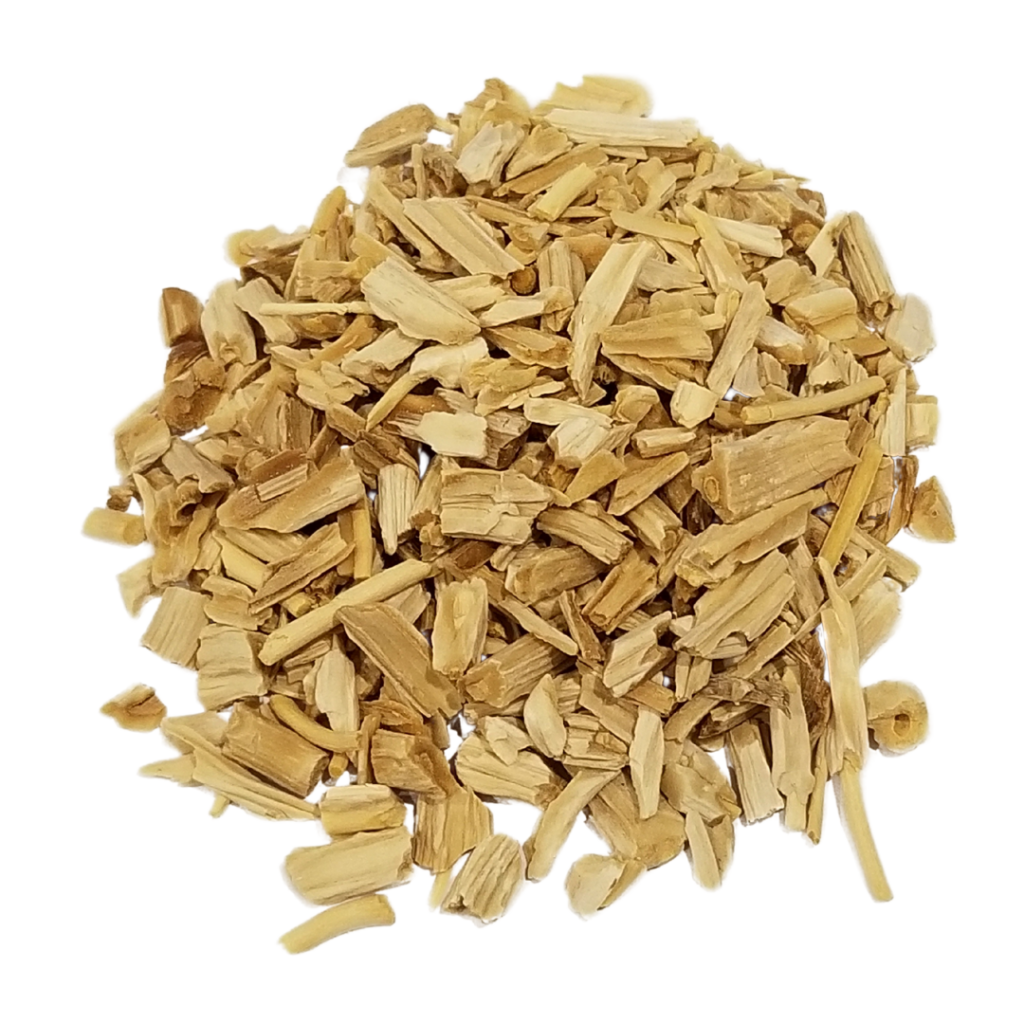
Shatavari Root
Shatavari means, “who possesses a hundred husbands or acceptable to many”, which can also be translated to: “100 spouses”. A type of asparagus native to the Himalayas, the root of the Shatavari plant is known in Ayurveda as a general and female reproductive tonic, meaning it should be used in the correct dosage regularly for the most health benefit. Said…
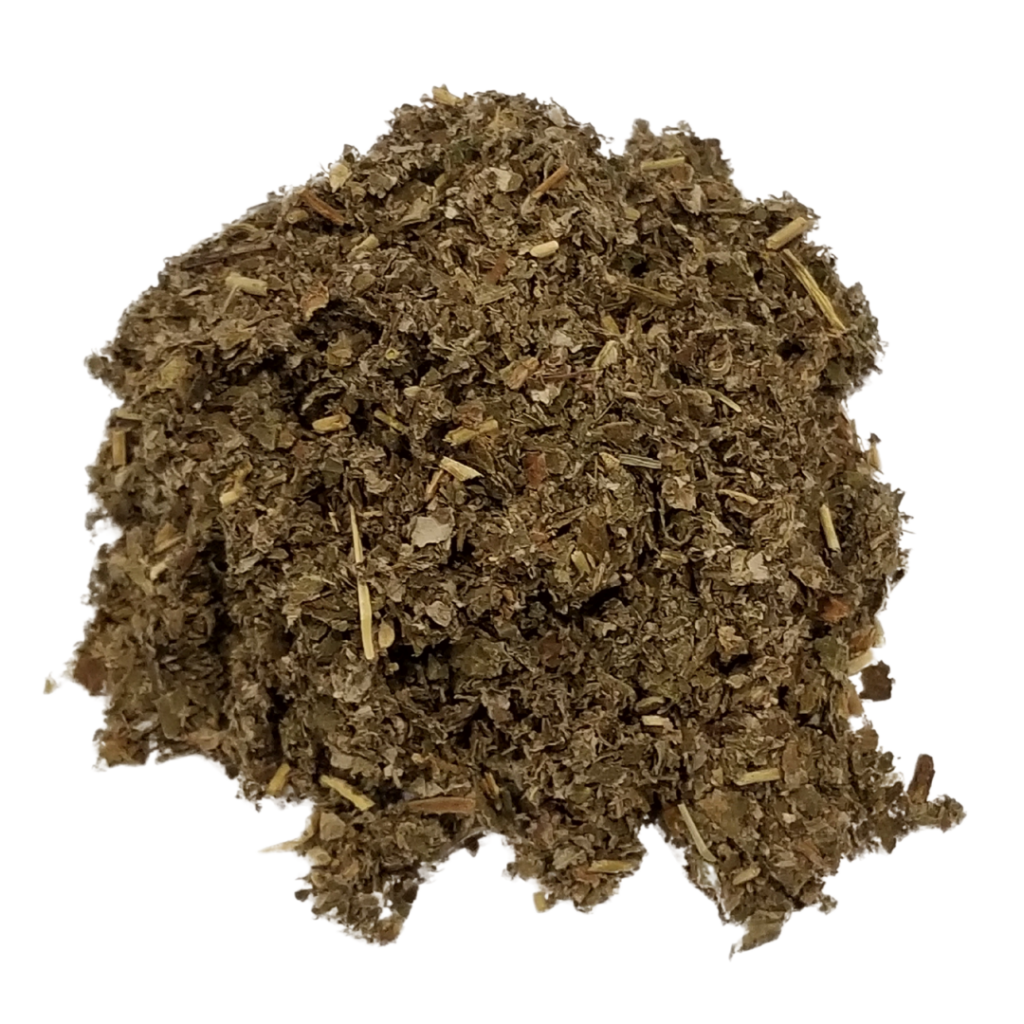
Raspberry Leaf
“Raspberry leaves, that’s the thing. Steep a handful wi’ rosehips and drink it when the moon’s waxing, from the quarter to the full. Then when it wanes from the full to the half, take a bit o’ barberry to purge your womb.”-Author, Diana Gabaldon, Outlander Raspberry leaf has been used since ancient times as a general supportive tonic and healer…
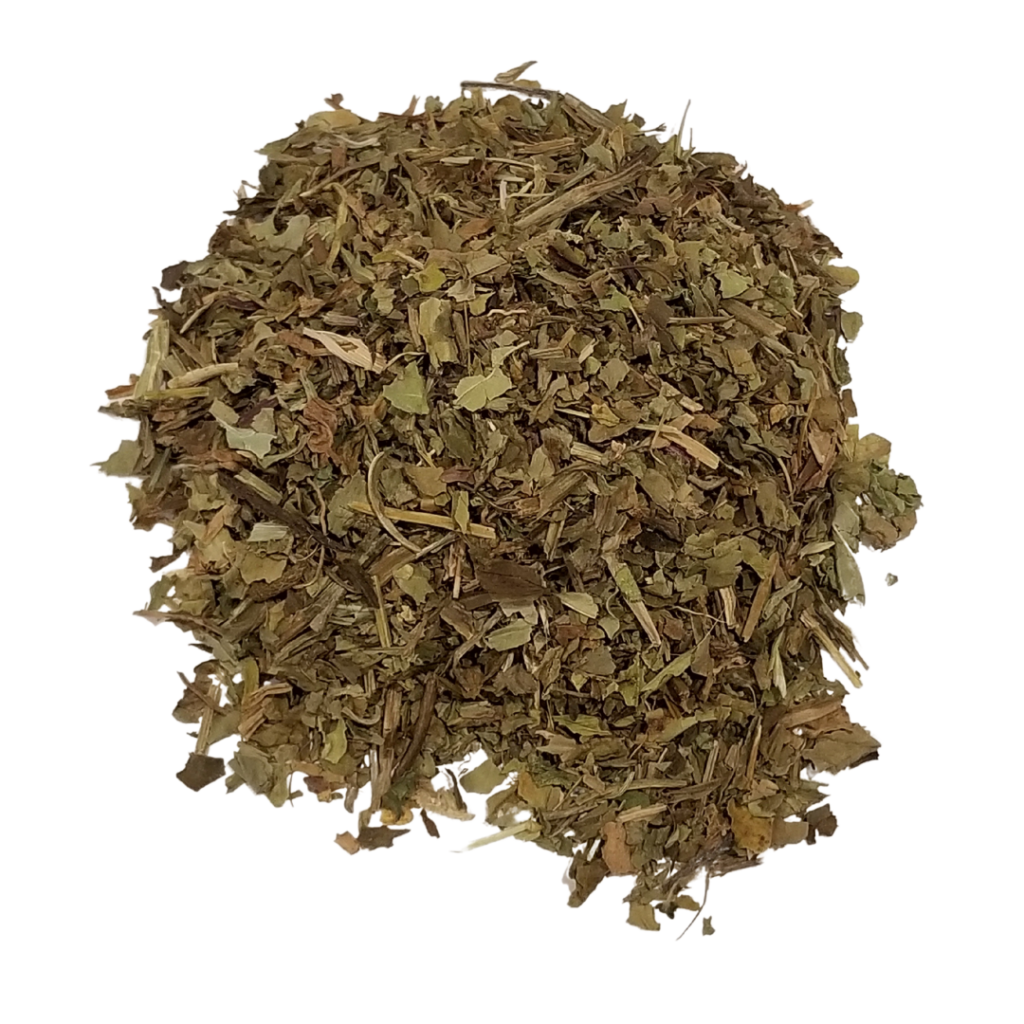
Plantain
Plantains (no, not the banana-like fruit!) are now considered to be an invasive weed pretty much everywhere. They originated in Europe and Asia, but can now be found as one walks down a path or into their own yard. It has long been used for many skin ailments, while also containing vital nutrients and vitamins the body needs. The small…
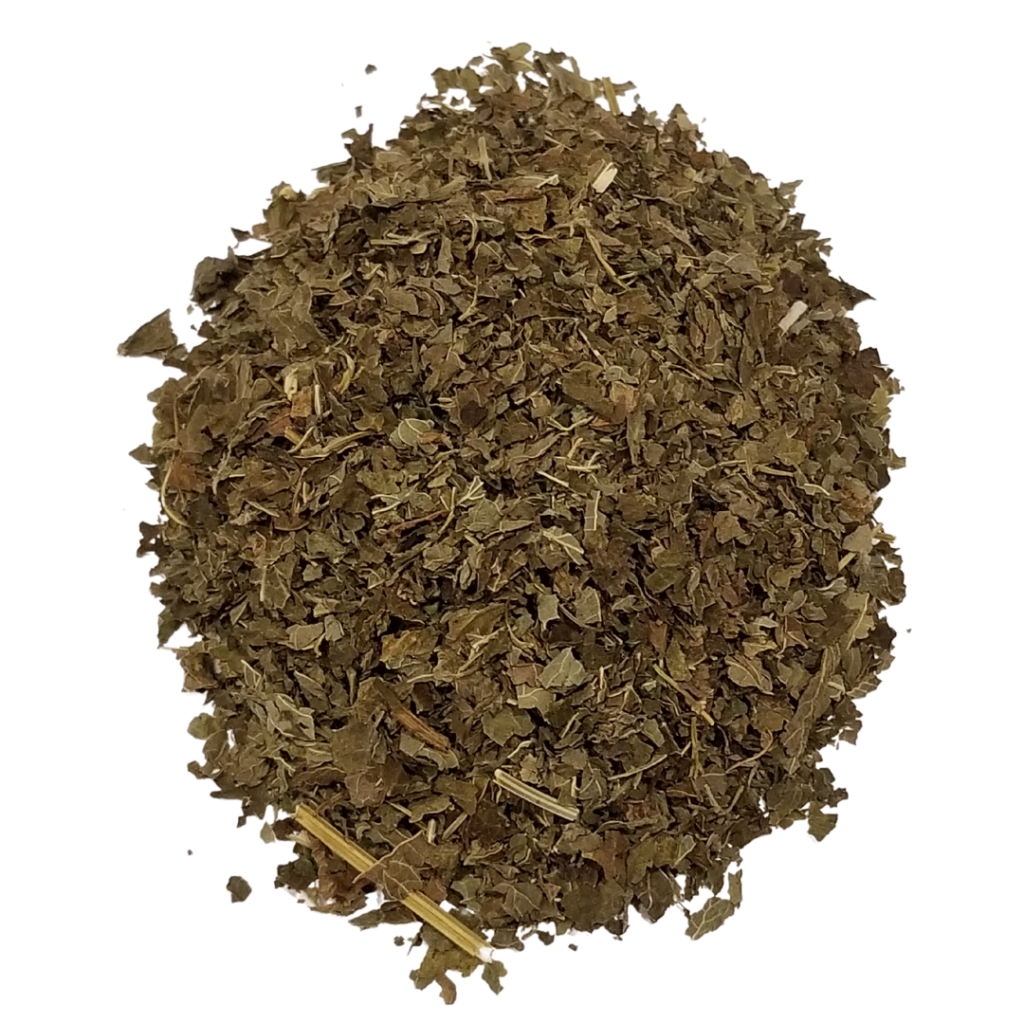
Lemon Balm
John Evelyn (1620-1706) wrote, “[Lemon] balm is sovereign for the brain, strengthening the memory and powerfully chasing away melancholy.” An herb of the moon, Lemon Balm embodies spiritual energies surrounding healing, unconditional love, and movement. She works subtly and smoothly in association with her main element: water. Lemon Balm is native to southern Europe, Western Asia, and Northern Africa. It…
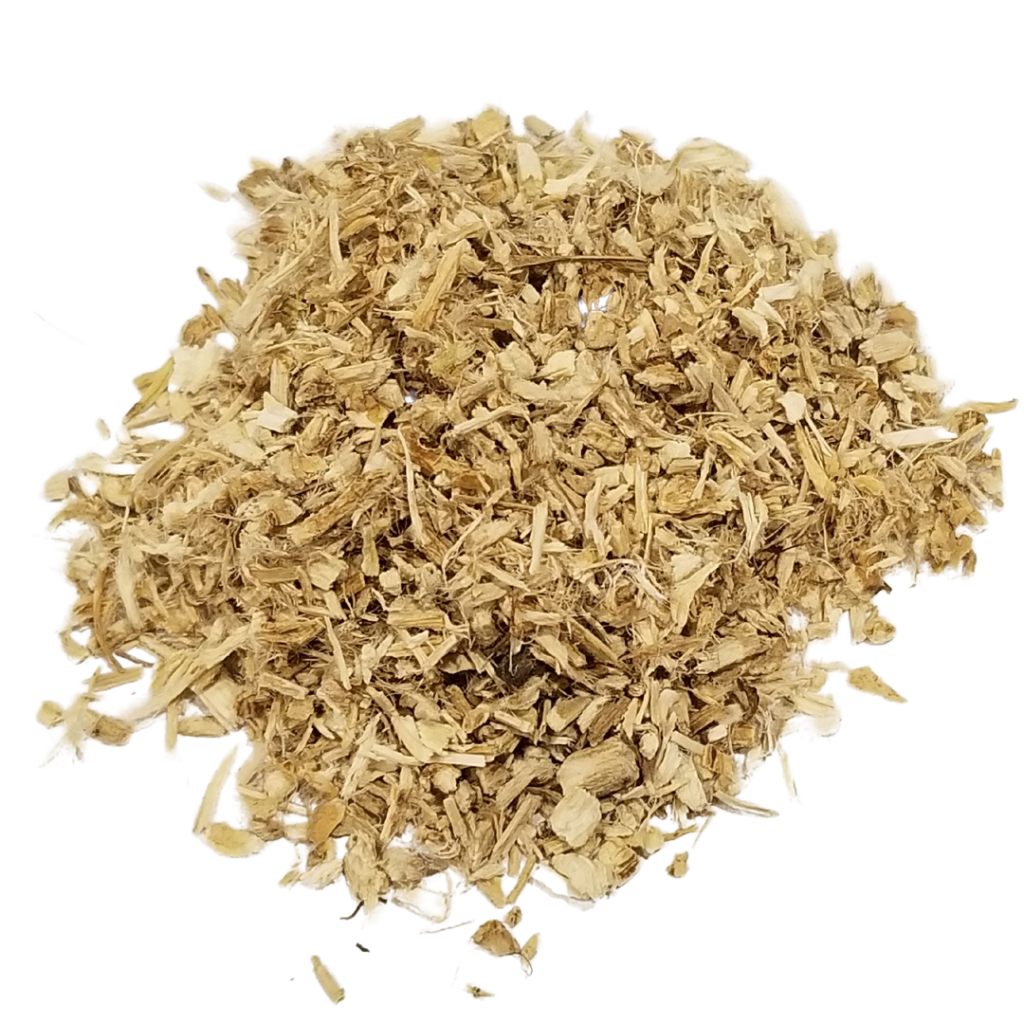
Marshmallow
Marshmallow root has been noted to help with coughs when taken with syrup by philosopher Theophrastus (c. 372-286 BCE). Native to Europe, the Marshmallow plant has been naturalized in the Americas. This staple herb for bronchial ailments. An herb made to smooth, Marshmallow contains mucilage, which helps coat the throat to ease soreness, dryness, and harsh coughs. The dried root…
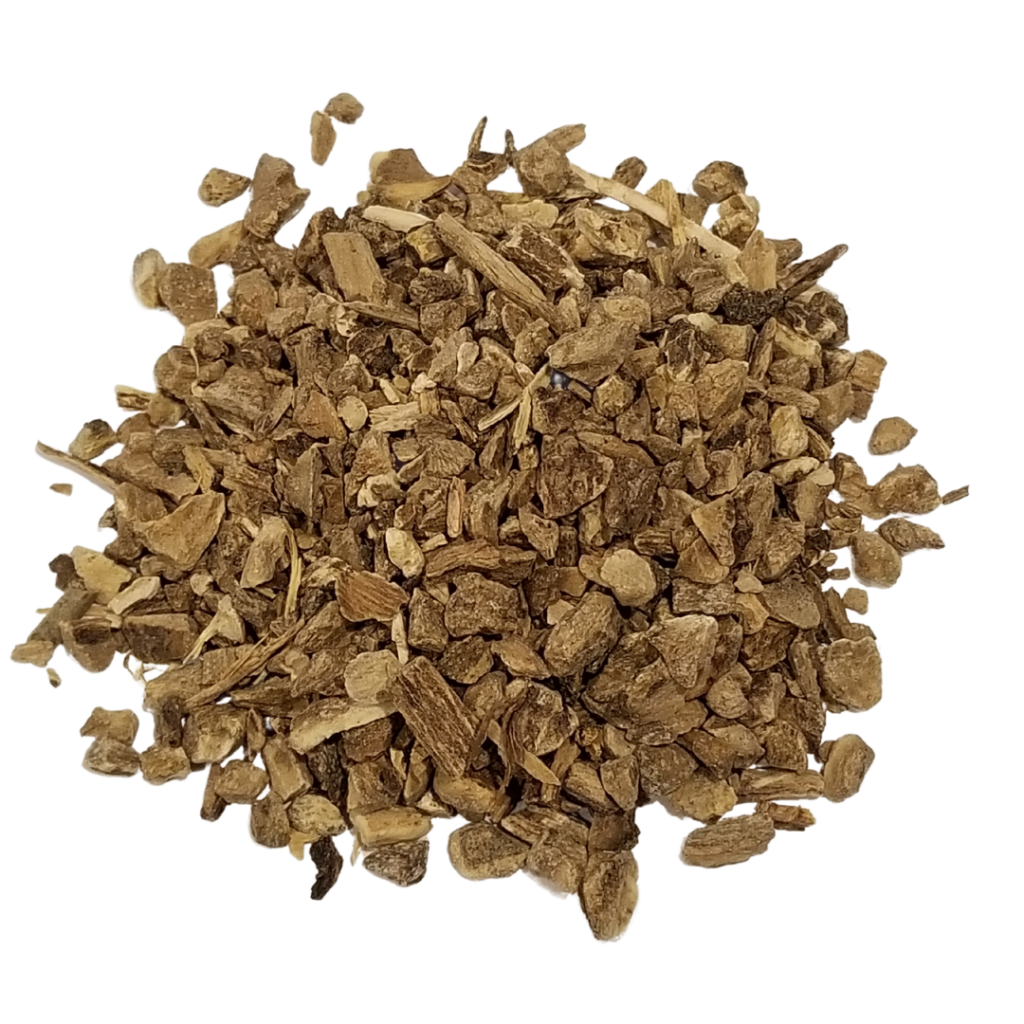
Elecampane
Elecampane has been revered since Ancient Roman times as a staple for food and medicine. Lore says its namesake was Helen of Troy who was holding it in her hand when she set off for Troy. A tonic herb to “sustain spirits”, Elecampane is still cultivated and propagated throughout western Asia and southeastern Europe. Elecampane contains a compound called Inulin,…
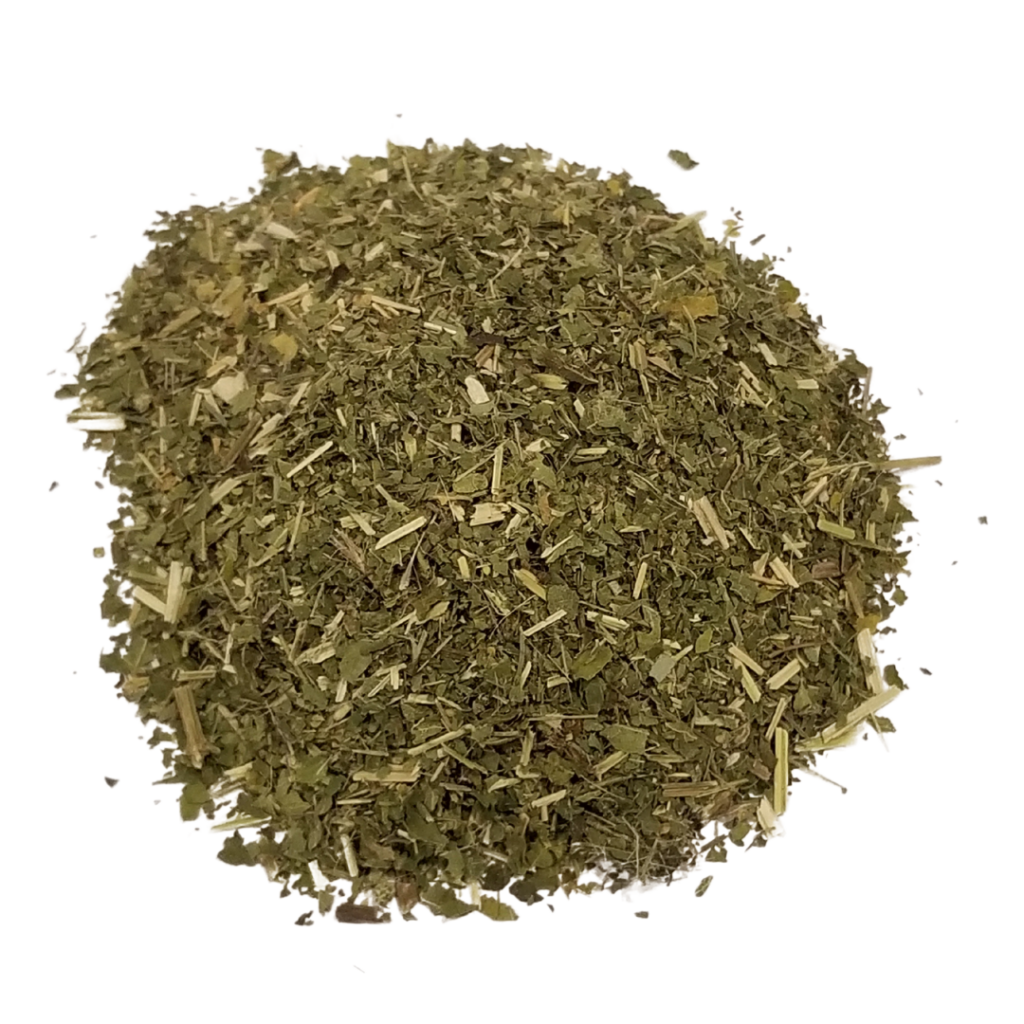
Nettle
“Stinging” Nettle Leaf has more than earned its label as one of the most important staple herbs that grow in most forests. As a traveling passenger, keep your eye on the side of the road for the same herb used since the Bronze Age (3000 BCE – 1200 BCE). Nettle’s strong, fibrous nature made it clear the plant could be…
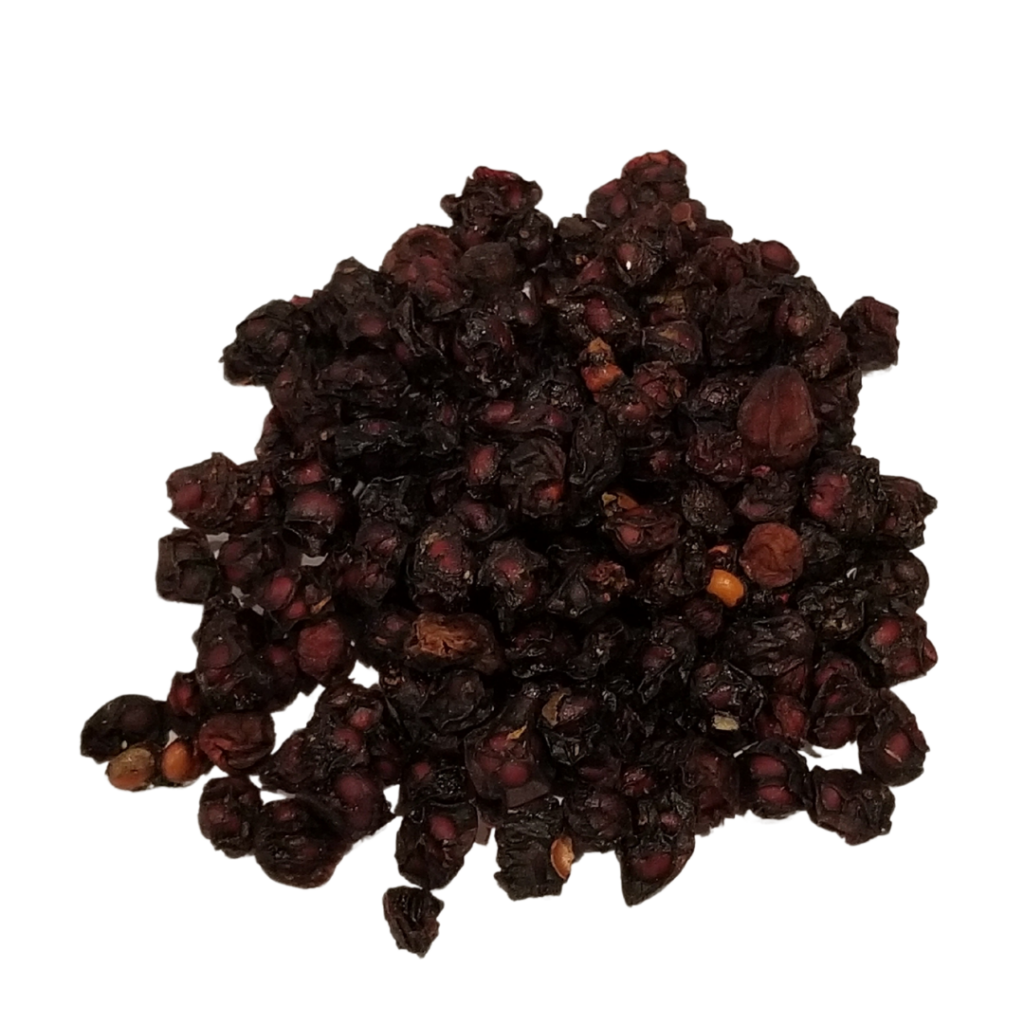
Schisandra
Schisandra is a tonic herb used in Chinese culture for centuries to tone the kidneys, cleanse the blood, and increase one’s zest for life. Its restorative properties come from its balance of the five main elemental energies, shining through its warm, slightly salty, sour taste. Cultivated especially in the Chinese provinces: Jilin, Lianoning, Heilongjiang, and Hebei, Schisandra typically is propagated…
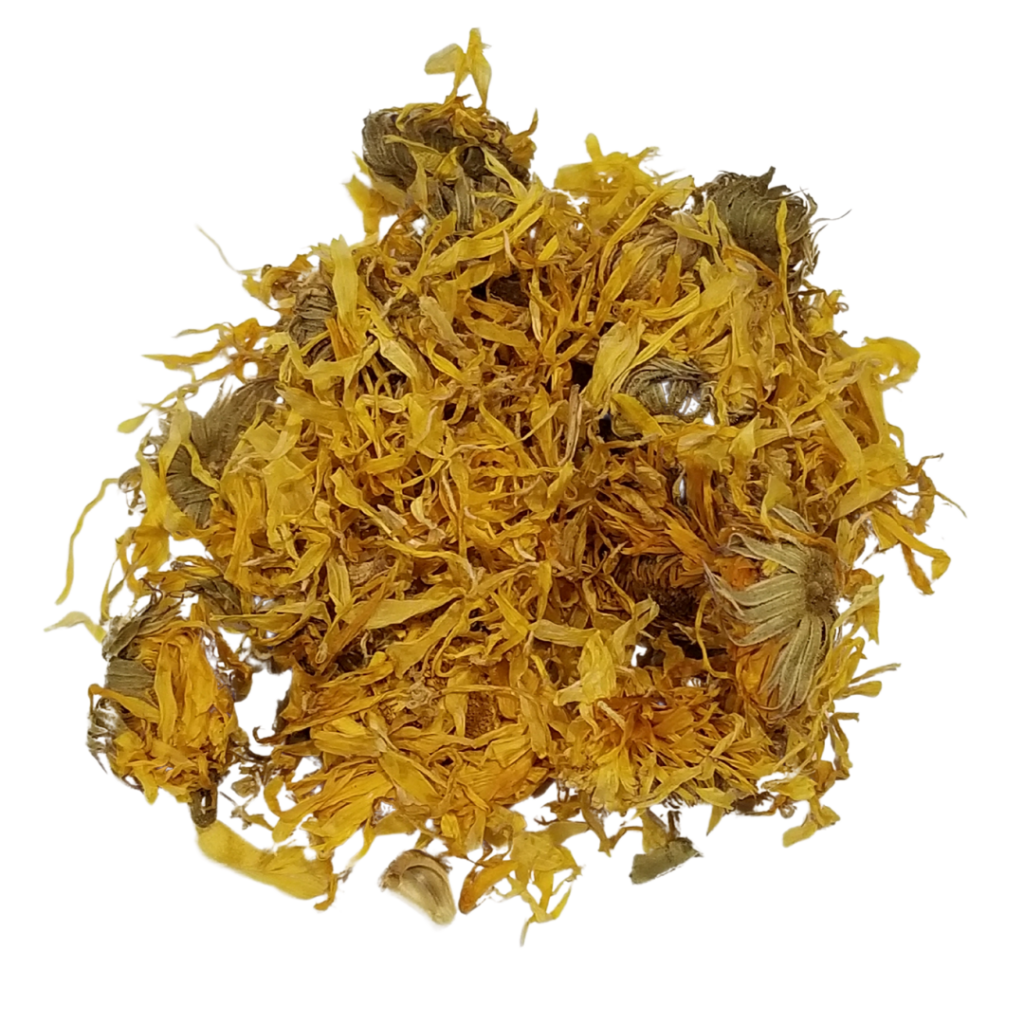
Calendula
Of all flowers harvested, Calendula remains one of the oldest beauties used in medicine and the kitchen. It is a member of the marigold family, whose name comes from a legend in which a golden-haired child named Mary-Gold disappeared one day and the place she was last seen, a small bundle of flowers the color of the sun appeared. Calendula…
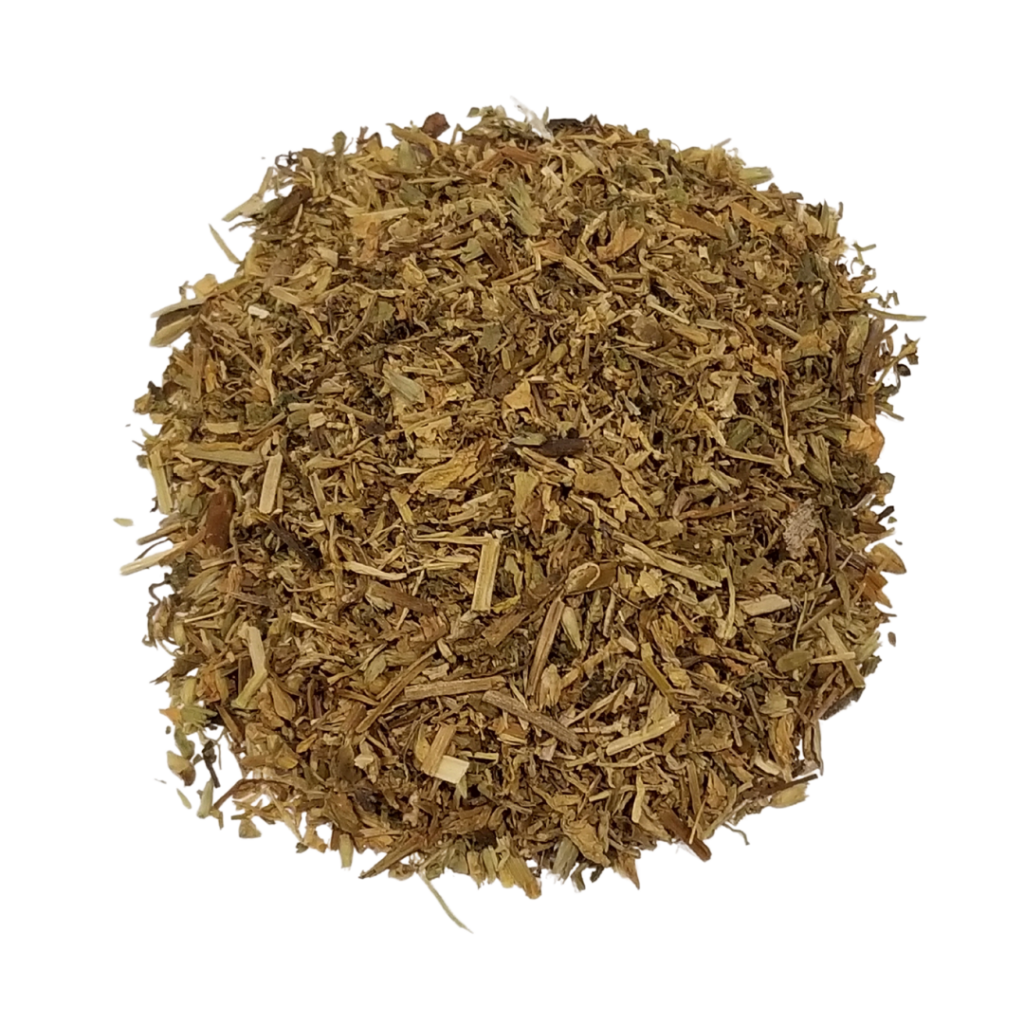
Chickweed
A cousin to the carnation, Chickweed grows best in shady, semi-wet locations at the edge of the woods, planted directly in gardens, and often under oak trees. A traditional Spring tonic, this self-seeding plant is named for its appeal to barnyard fowl and other birds; especially chickens. Chickweed’s nutrients are vast and range in both medicinal and general nutritive benefits.…
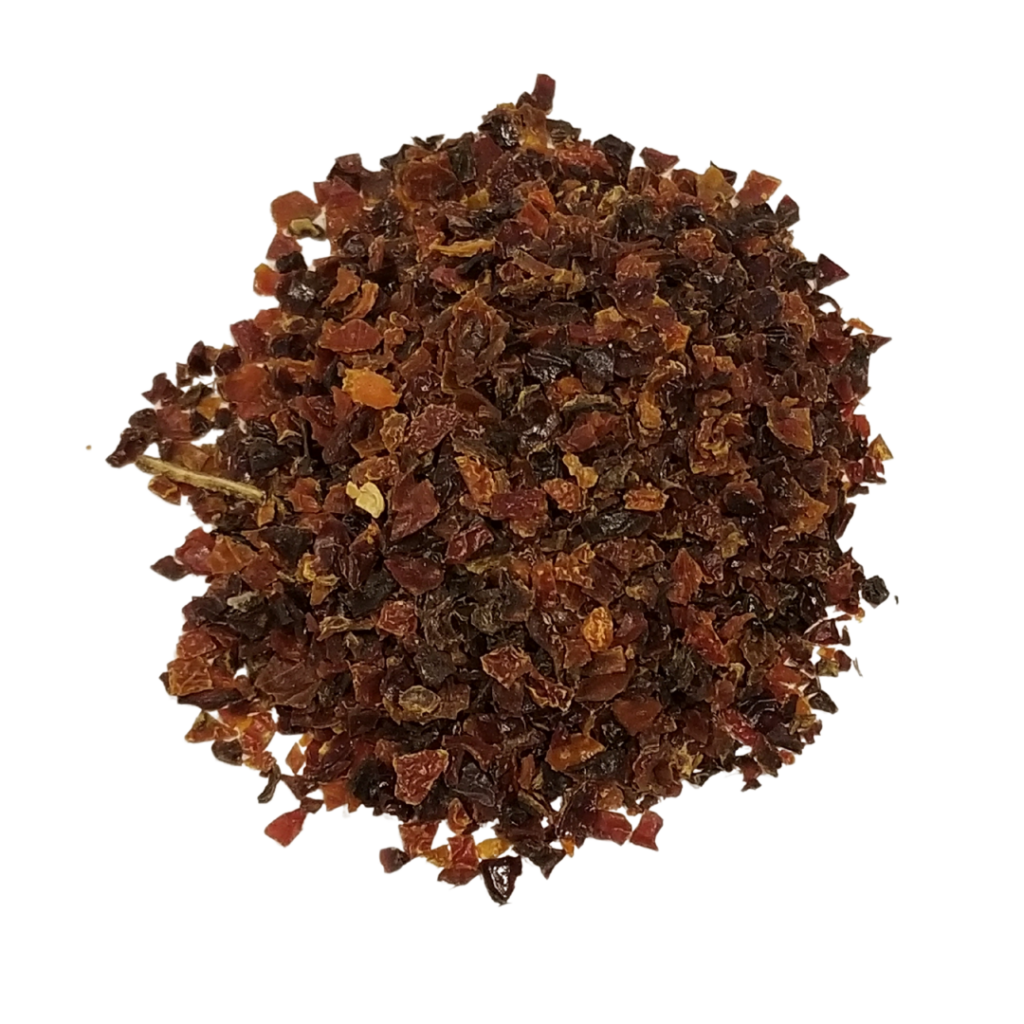
Rose Hips
The rose has lived as a symbol of many types of relationships, but the pseudo-fruit this plant bears benefits that work best as a tonic, incorporated into regular ritual to receive the most nutrients. Rose Hips grow when the flower itself has ended its own cycle and tend to lose some nutrient quality depending on when and how they are…
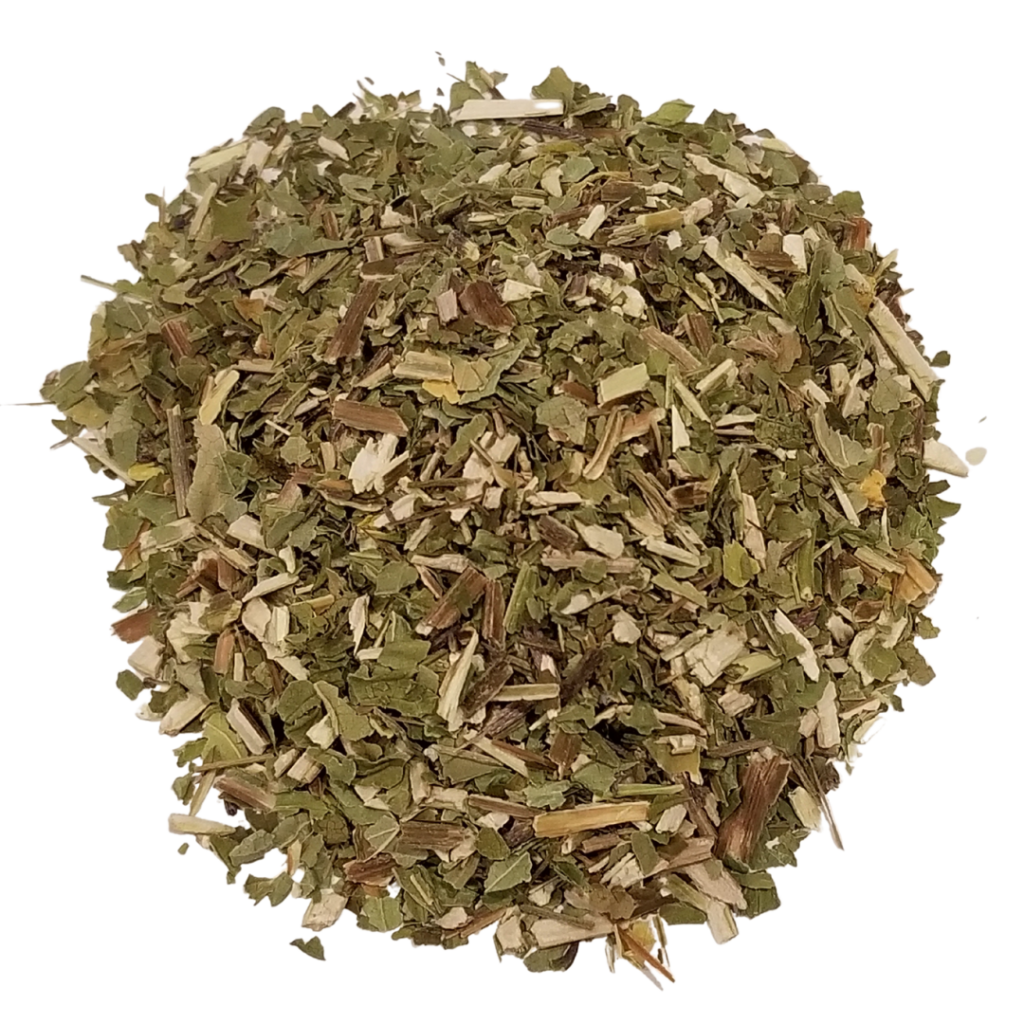
Blue Vervain
A native to the Americas and Mediterranean, Blue Vervain has been noted to be the herb for ‘intense, fanatical people who have absurdly high standards for themselves or others, strain to live up to these standards, and have the emotional and mental strength, but not the physical strength (digestion, sexual centers) to live up to their own standards (Wood, 2009)’.…
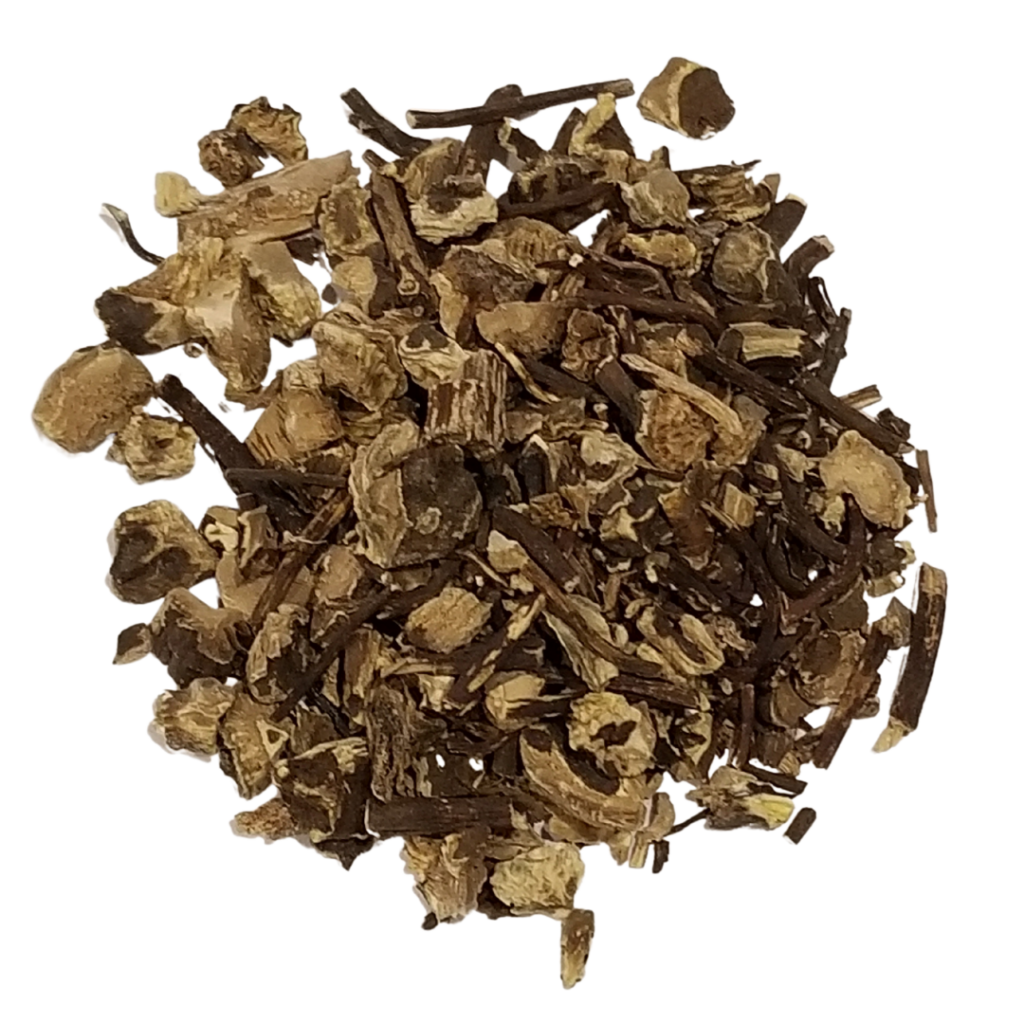
Black Cohosh
Black Cohosh was used by Native American tribes, such as the Algonquin, Cherokee, and Iroquois tribes. The herb was infused with spirits and used as a tonic to help with many heat-based illnesses. Used to treat fever, cough, pneumonia and bronchial conditions, Black Cohosh works to boost energy in your body. It’s most commonly used to help treat symptoms of…
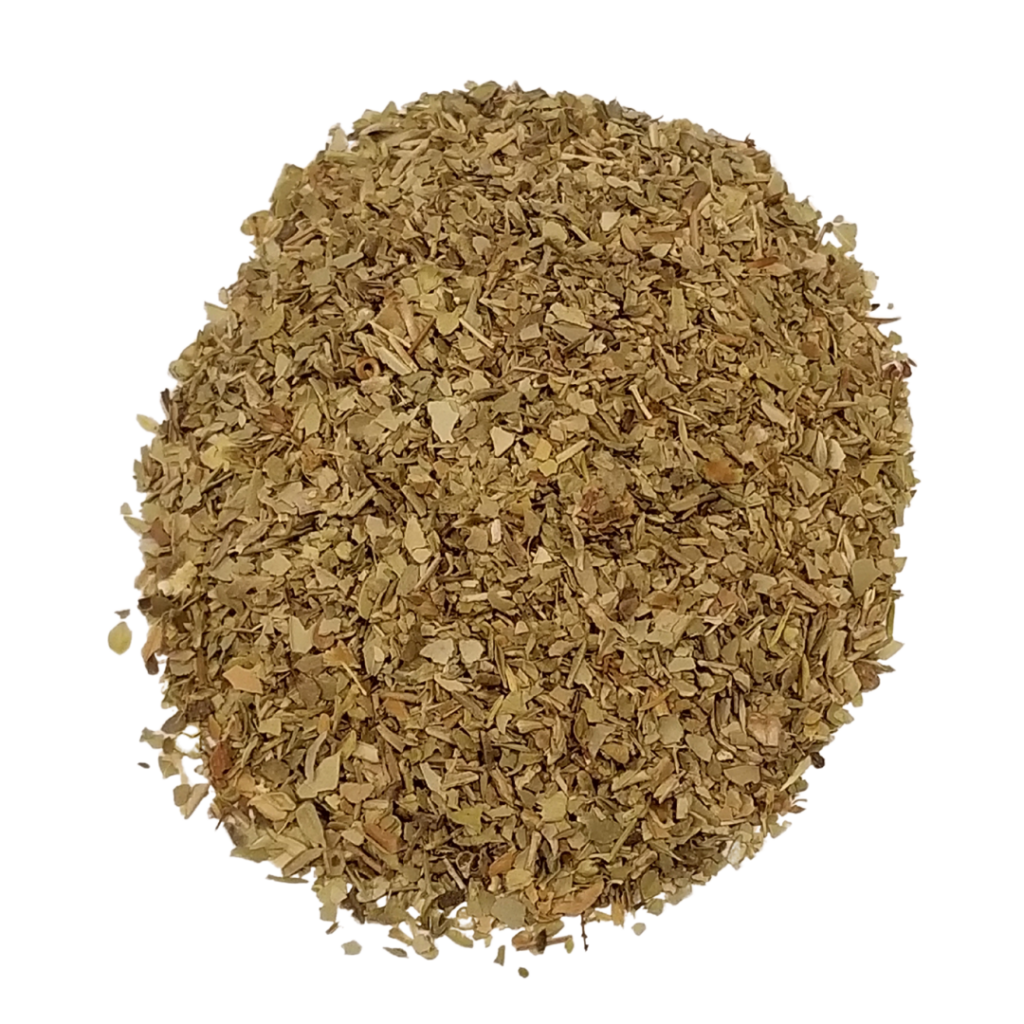
Oregano
Oregano is an extension of the Mint family, though its taste is a bit more savory. Indigenous to Central and Southern Asia, Oregano was often cultivated in Southern Europe as well. The leaves and volatile oil of the plant are most commonly used for medicinal purposes; the leaf is a culinary staple. Originally grown in Greece, they believed Oregano to…
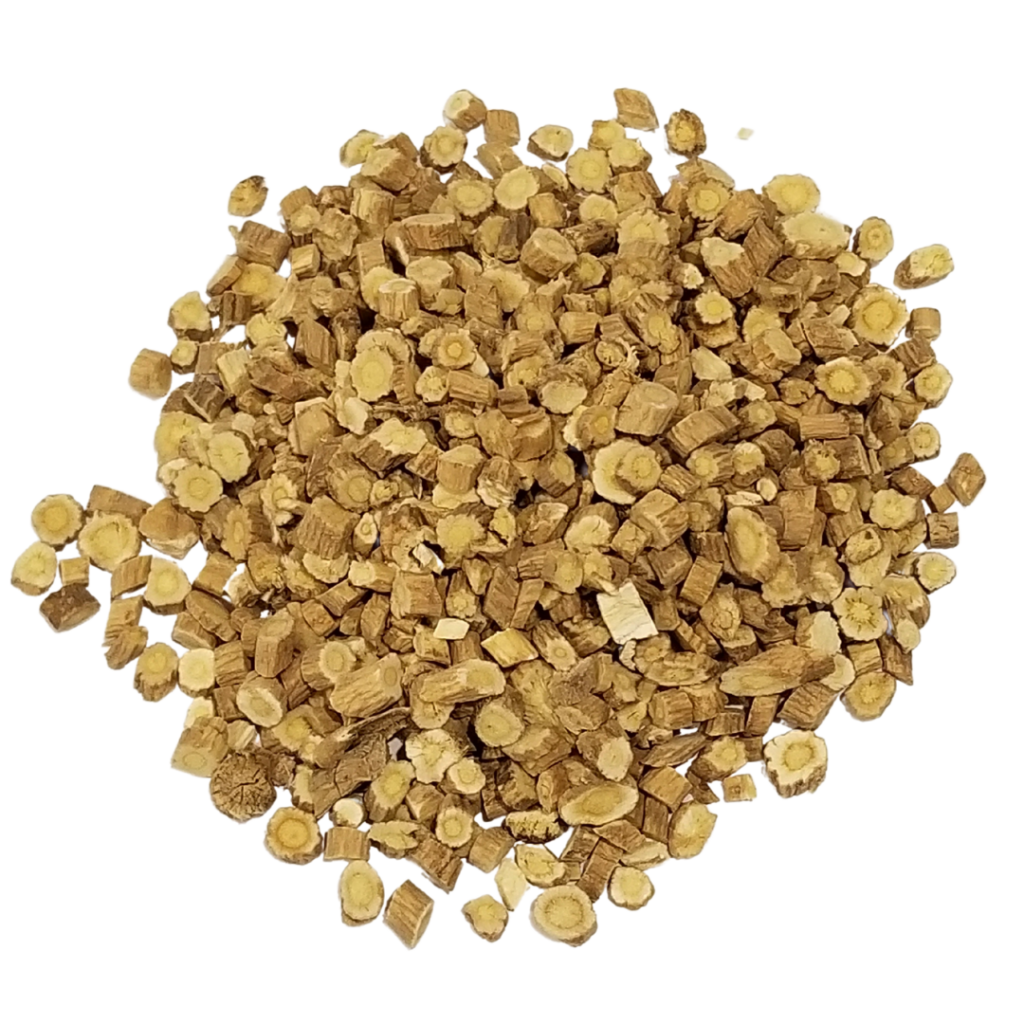
Astragalus Root
Astragalus Root has been used in Traditional Chinese Medicine (TCM) for millennia as a staple adaptogen and immune supportive herb by boosting white blood cell production in the consumer’s body. Commonly known as “Huang qi”, this “yellow leader” was introduced in North America much later, in 1925, when the USDA’s Plant Introduction Office sowed the seeds throughout the country. The…
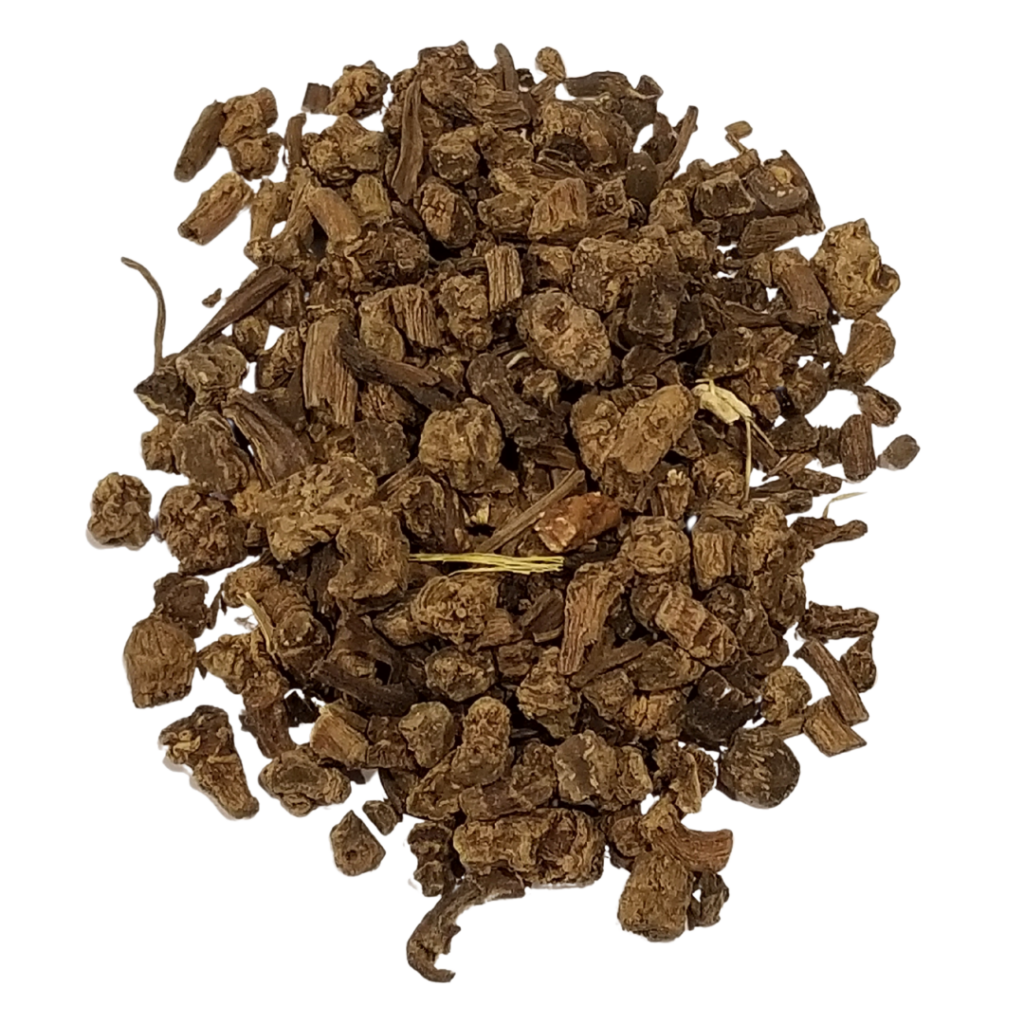
Valerian
A native to Asia and Europe, Valerian is a plant that can grow up to five feet tall and has also been grown hugely in the United States, as well as Belgium, France, and many other countries. Originally described as a sleep aid as far back as Ancient Greece, the root of Valerian has been used medicinally since. Used as…
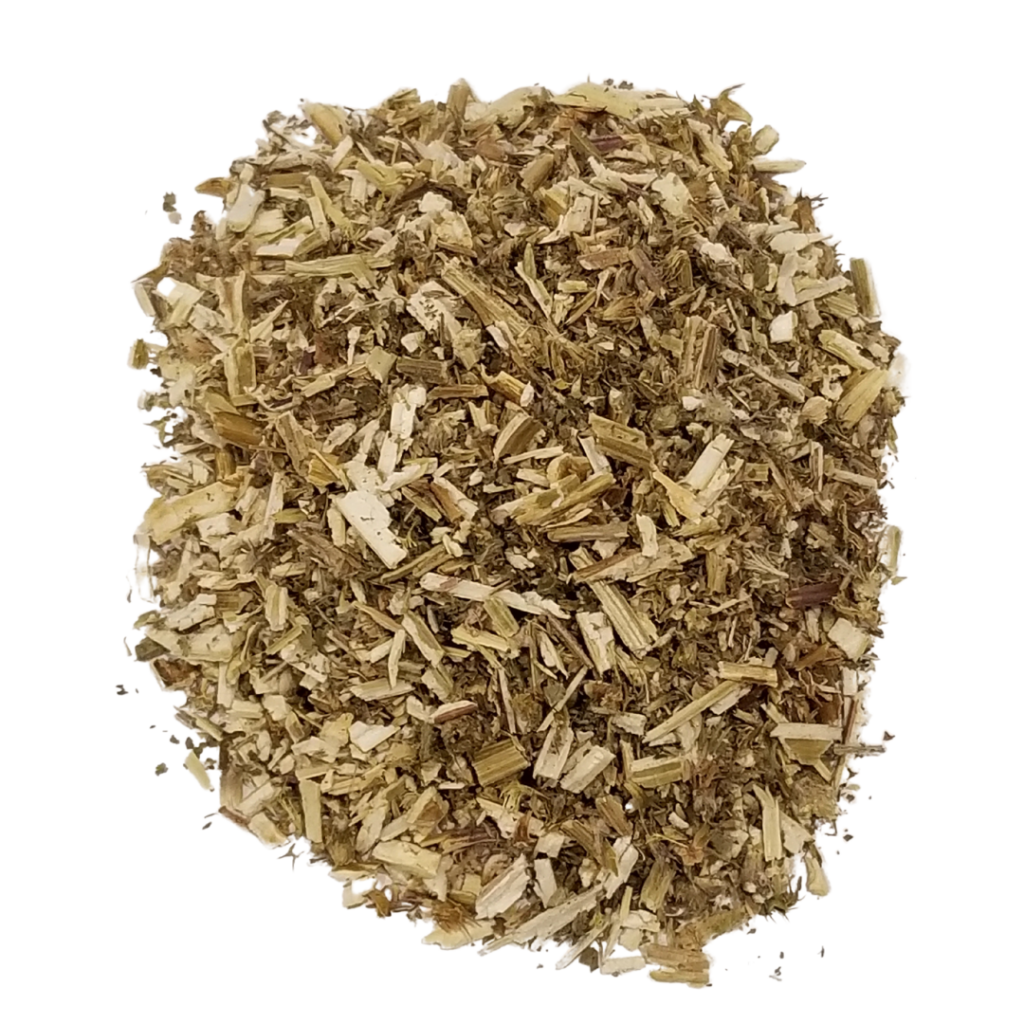
Motherwort
A cousin in the Mint family, Motherwort is a leafy green that remains hardy under most growing conditions. Parts of the plant that grow above the ground contain the most medicinal properties of the plant. Documented to have been given to mothers in times of Ancient Greece, Motherwort stays true to its name as a natural remedy that works best…
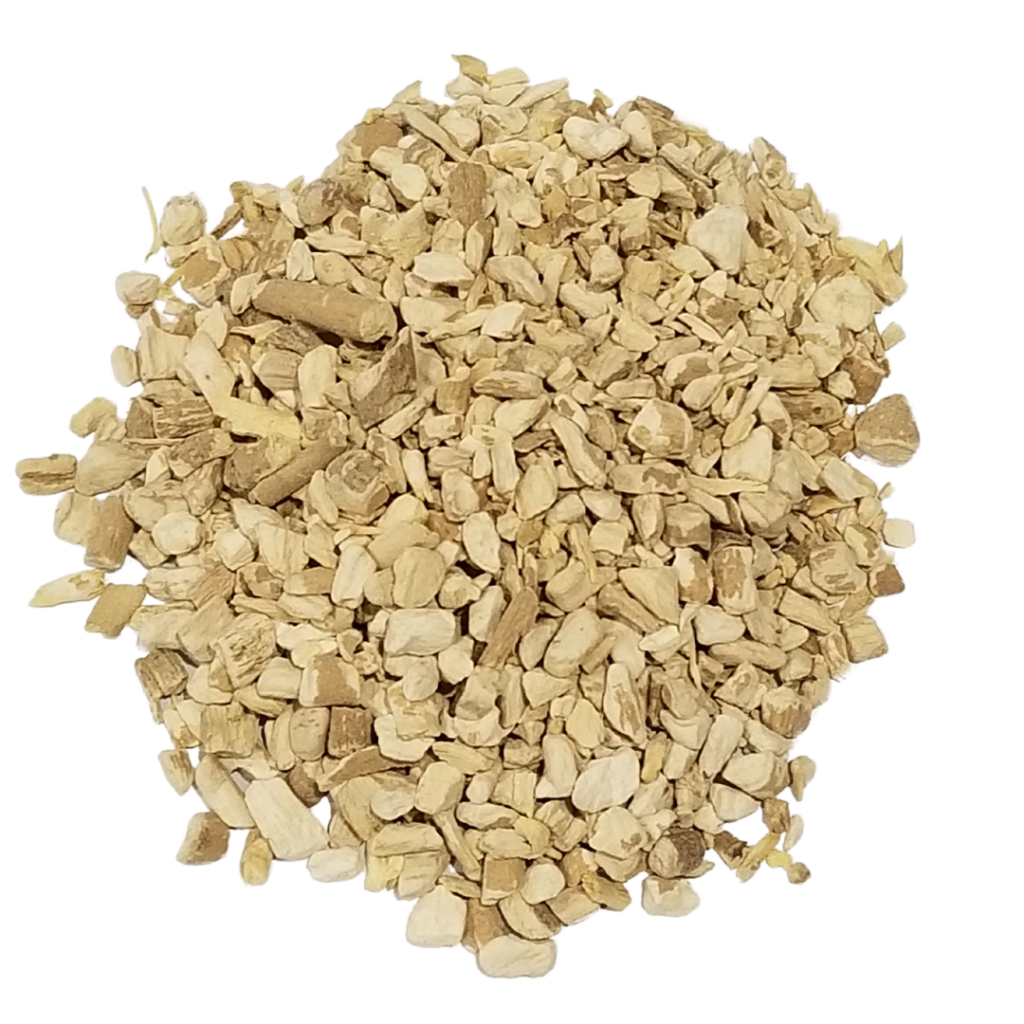
Ashwagandha
Ashwagandha’s (Indian Ginseng, Winter Cherry) use in Ayurvedic medicine reaches to the teachings of Punarvasu Atreya, a personal physician of the King of the Gandhara Kingdom. A nervine tonic, Ashwagandha is taken regularly to partake in its full benefits. It works to calm unsettled nerves and enhance operation of the body’s nervous system, while also regenerating it. Its adaptogenic qualities…
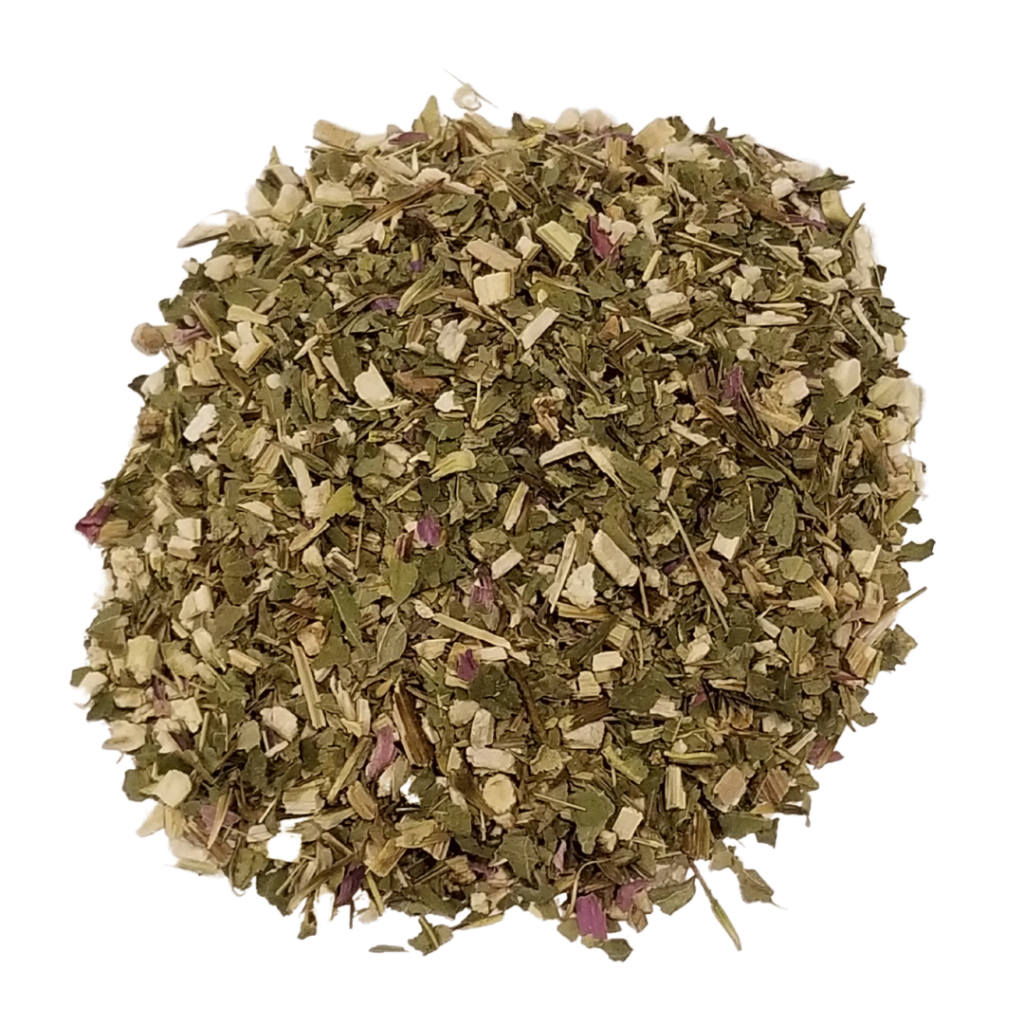
Echinacea
Echinacea has several different types, but Echinacea purpurea, Echinacea pallida, and Echinacea angustifolia are those that have been used for centuries to help heal from or cure several ailments. Native to North America, Echinacea has been used by Native American cultures for centuries to stave off illness, treat burns, scratches, and cuts. The Navajo tribe has revered Echinacea as one…
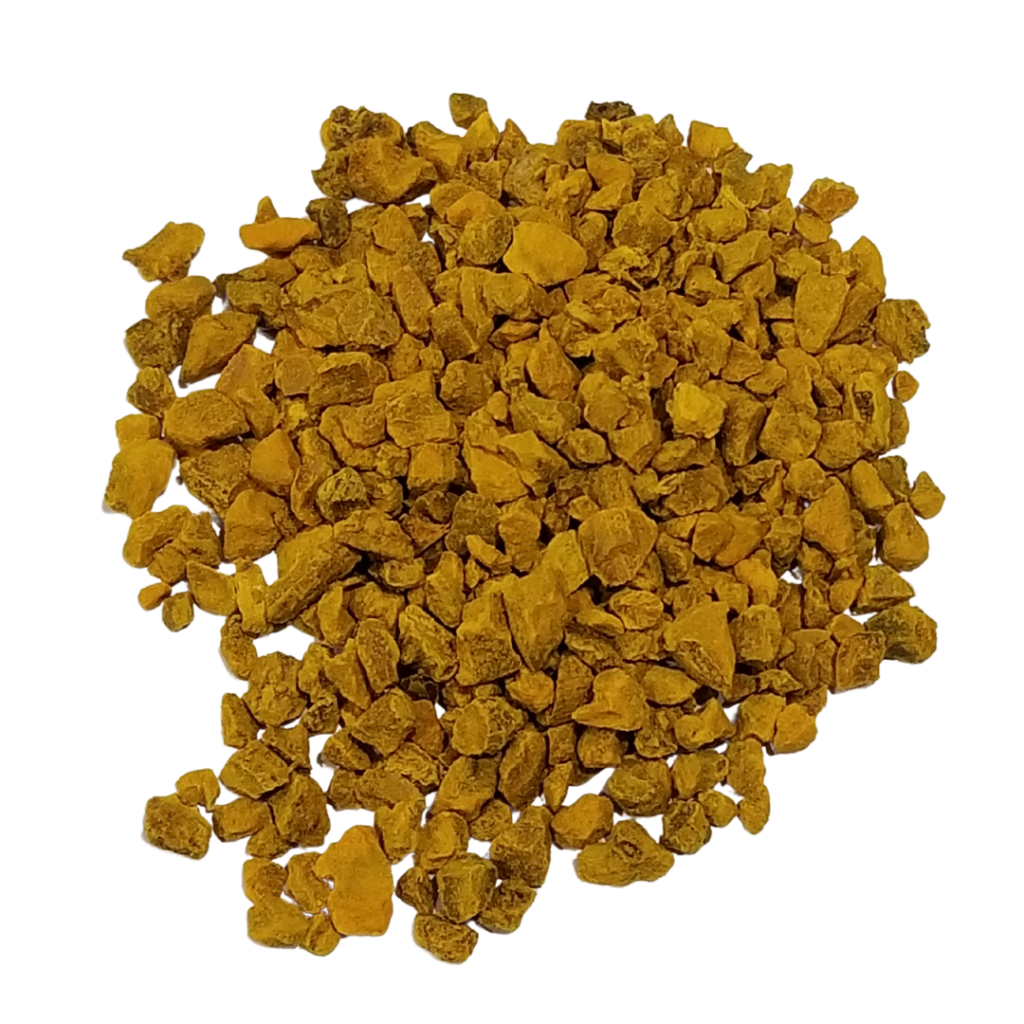
Turmeric Root
Turmeric root has been used alongside ginger and garlic in Siddha and Ayurveda as a most cherished herb for health and culinary purposes, as well as the practical. Since 2500 B.C., Turmeric root has been revered for its anti-inflammatory and antioxidant properties, which have become increasingly popular in western culture throughout time; it’s been recorded as grown in the forests…
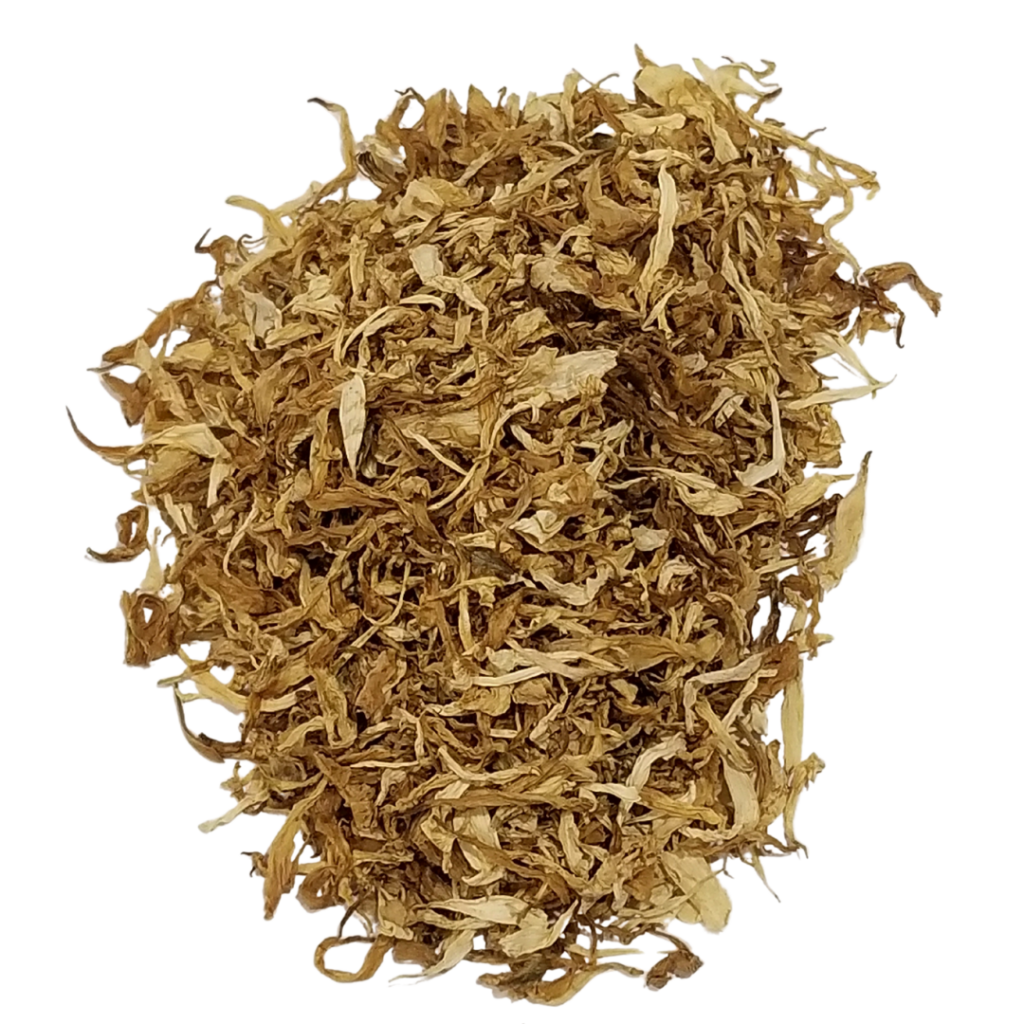
Chrysanthemum
Chrysanthemum has been grown for roughly three thousand years. Originally planted in China, its beauty has since stretched across the world, captivating it with its ornamental, medicinal, and ceremonious properties. In the early 15th century B.C., the bloom was cultivated heavily in China and had been adopted as a staple for ceremonial tea. Soon enough, the plant had been eyed…
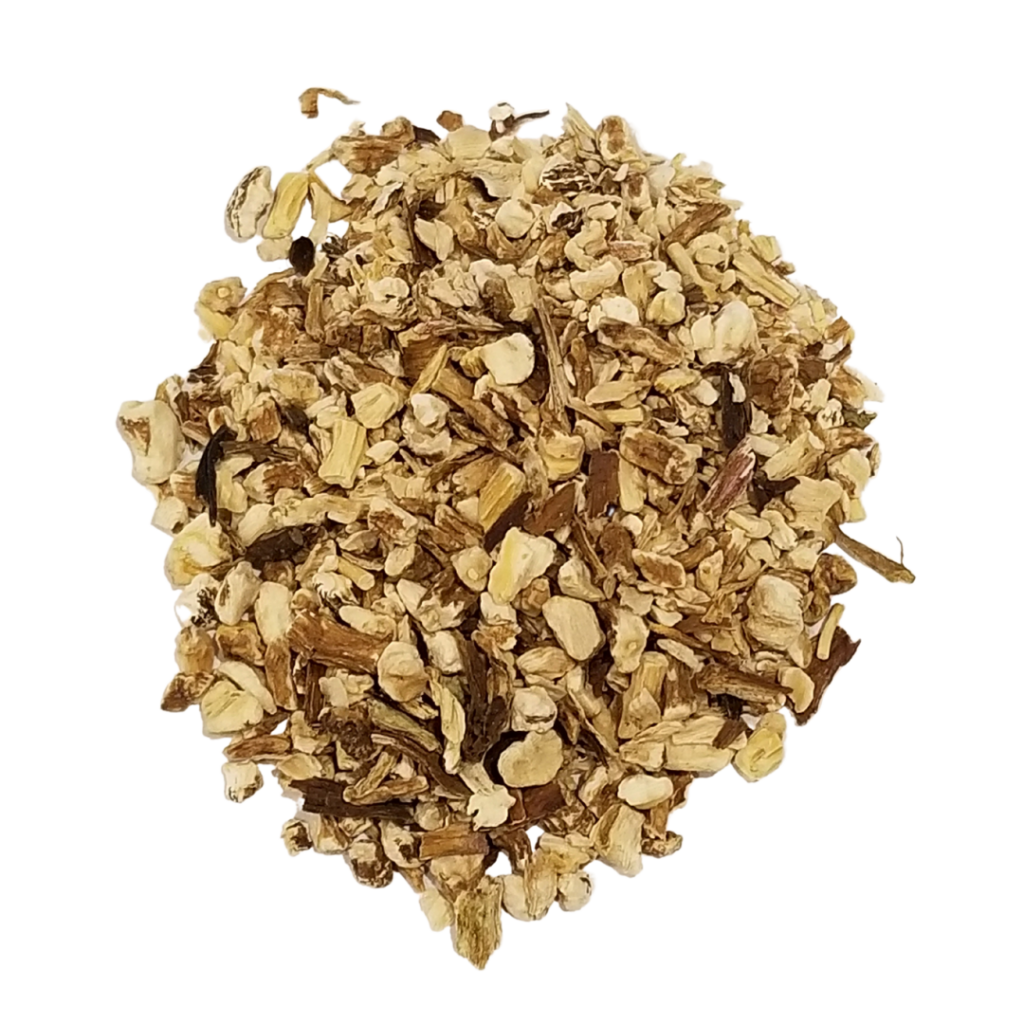
Dandelion
One of the weeds most commonly labeled an annoyance in your backyard has some of the most versatile benefits, with few side effects. Native to the Mediterranean, Dandelion has been used in Traditional Chinese Medicine (TCM) for thousands of years as “Pu Gong Ying”. In the 17th century, its diuretic properties were noted by British botanists, along with use in…
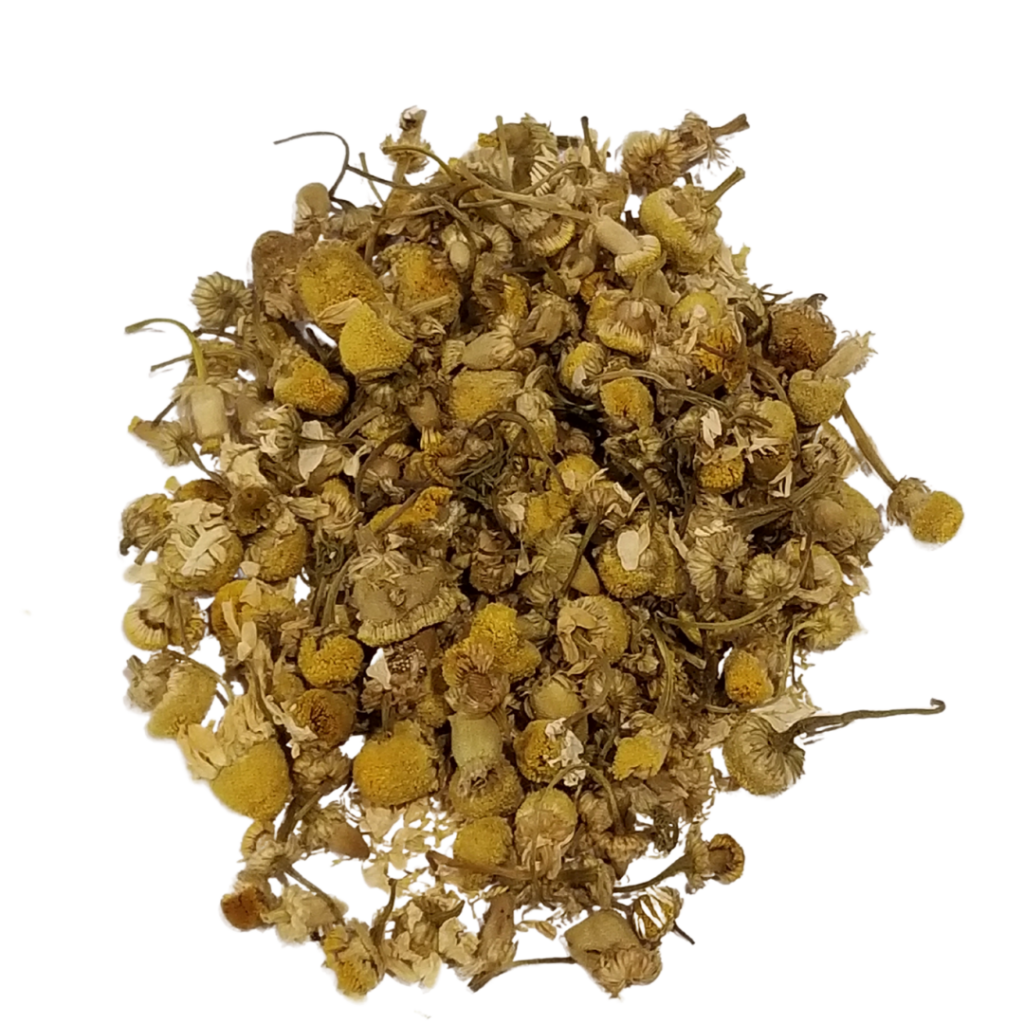
Chamomile
Roman and German Chamomile are both sold as common Chamomile, though Roman Chamomile is said to be “true” Chamomile. Both reside within the daisy family, as their sun-like bloom depicts. Revered in Egyptian times as a plant of the Sun, Chamomile has been used for its medicinal properties across the world in the form of tea, salves, incense, and infused…
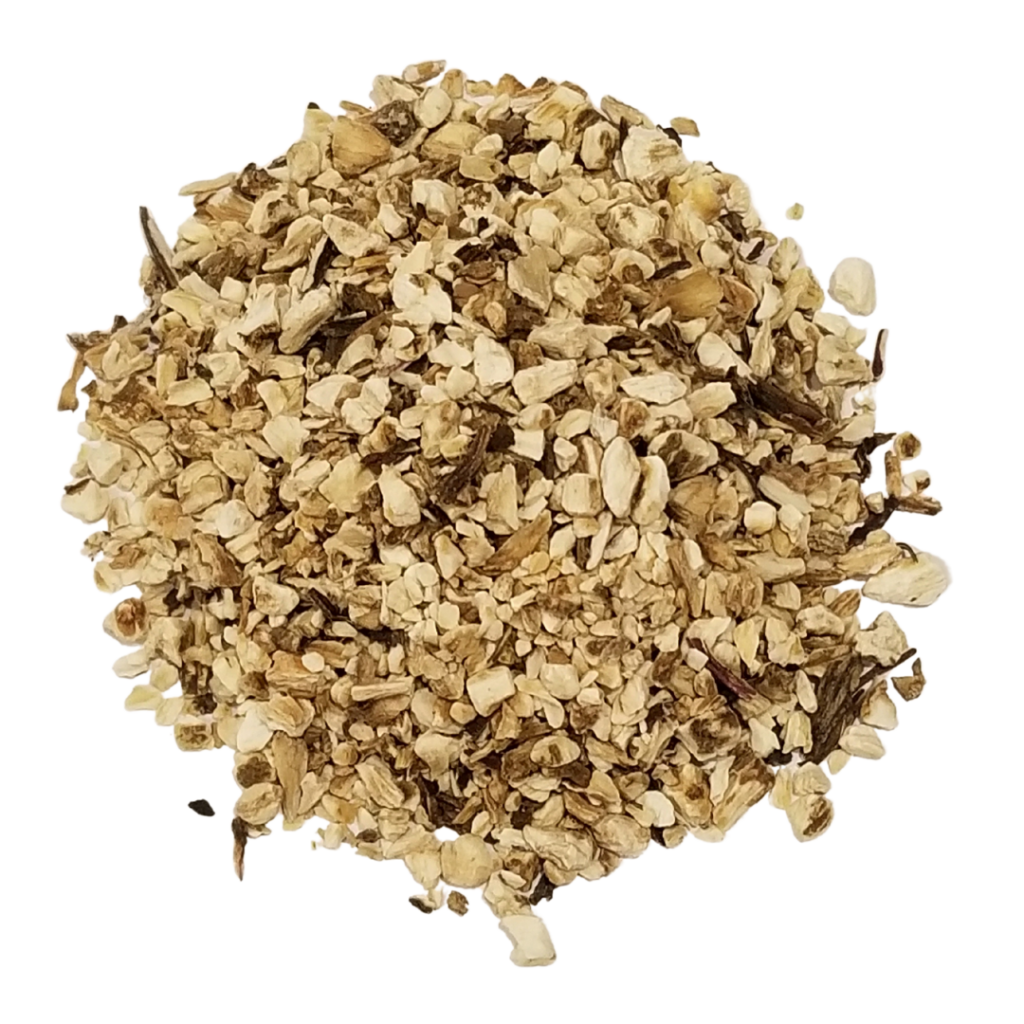
Burdock Root
Common Burdock has also been called “Beggar’s Buttons”, “Bur”, and “Great Burdock”. It grows readily in most climates, shooting foliage from its base that grow into leaves that can get as big as a watermelon! The root of Burdock is most commonly used for medicinal purposes. The most advantageous time to harvest Burdock root is when the foliage remains small…
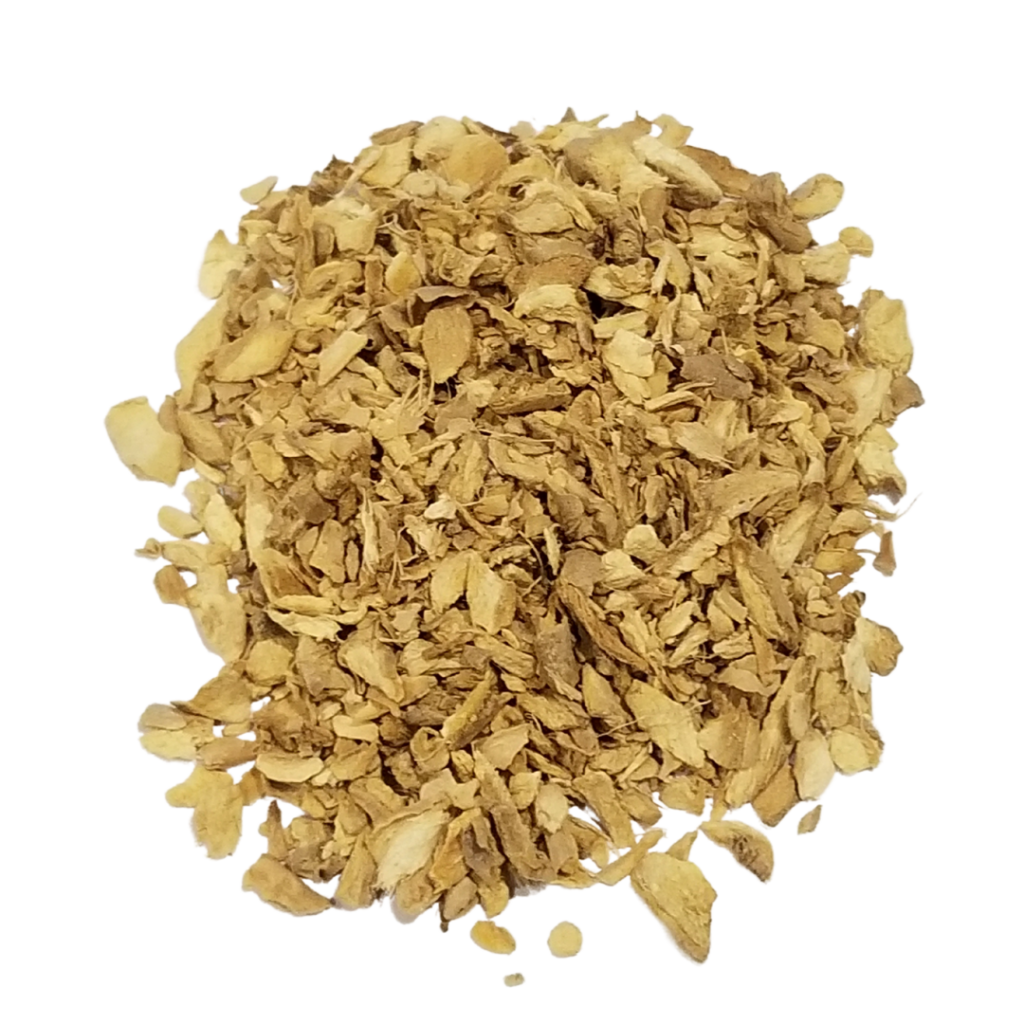
Ginger Root
The root of Ginger has been used for its health and magickal benefits since the times of Ancient China, where word of its benefit spread across Asia, reaching Europe in the first century. As both a medicine and magickal tool, Ginger root holds a fiery energy that strives to move things along; be it magickal works or a physical healing…
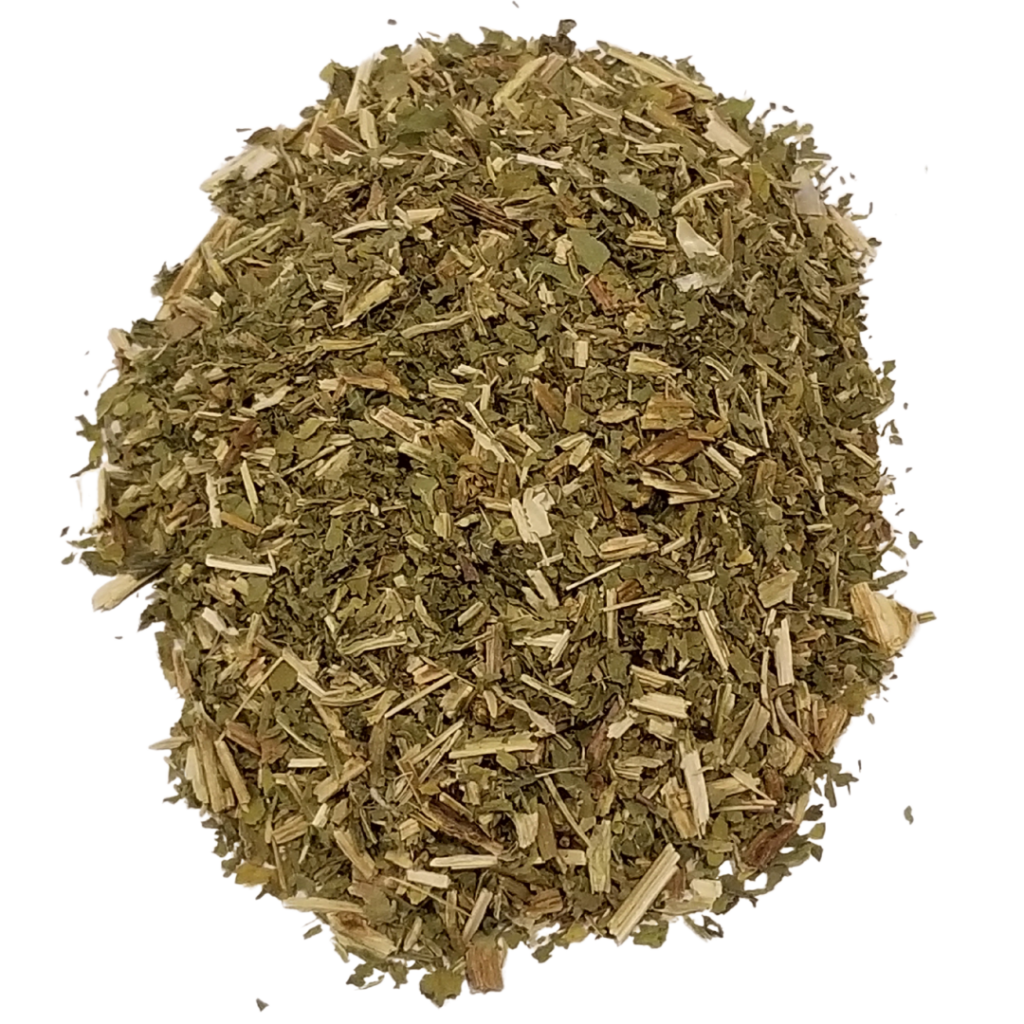
Blessed Thistle
Used by the Greeks and Romans, Blessed Thistle has been renowned as an herb of spiritual protection, used to ward against evil spirits and restlessness, as well as irritability. Do not confuse Blessed Thistle for Milk Thistle, as these plants and subsequent properties are much different. Burned within the home for expulsion of malicious entities, Blessed Thistle, also known as…
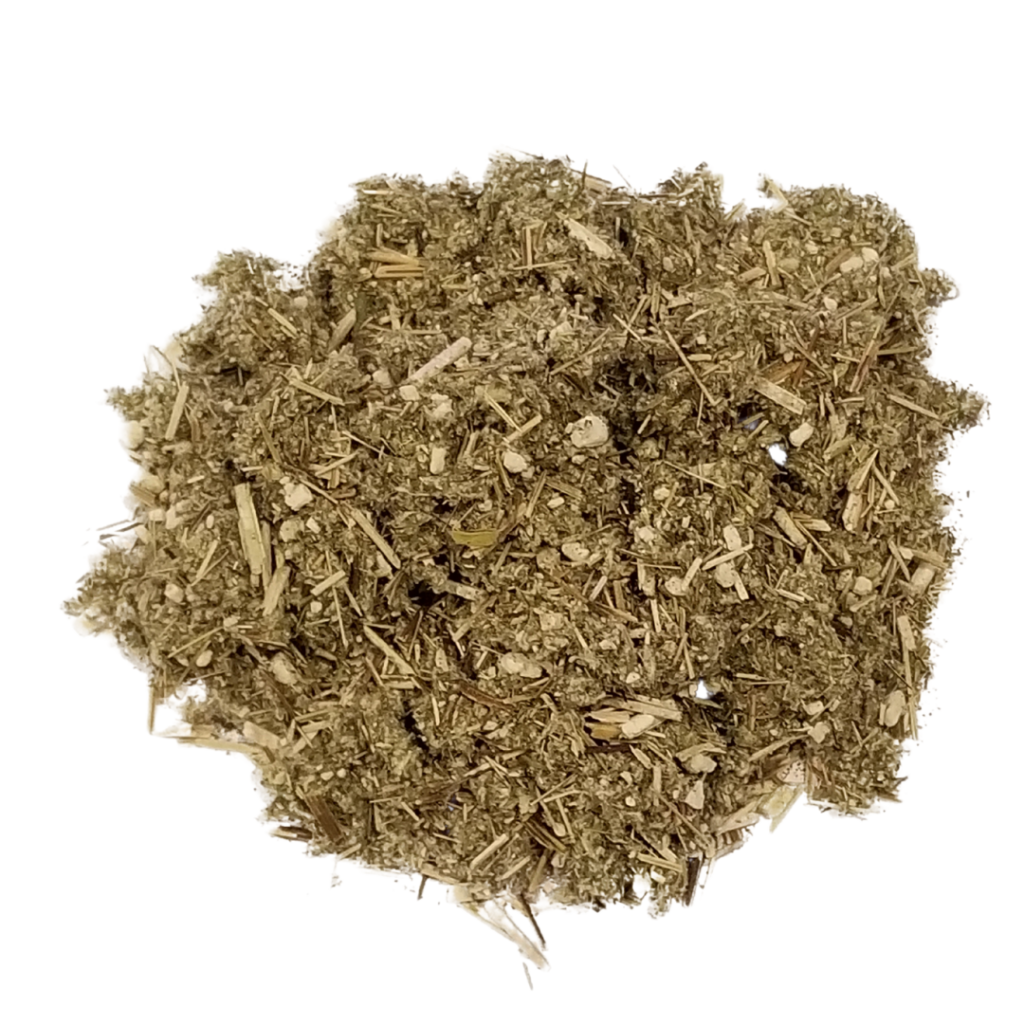
Mugwort
Mugwort has been revered since Anglo-Saxon times; marked as one of nine most sacred herbs, whose uses range in spirituality and medicinal purposes. This herb can grow under almost any condition, standing at up to 6 feet tall at full maturity. In many places in North America, it is seen as a fairly common weed, while highly regarded in other…
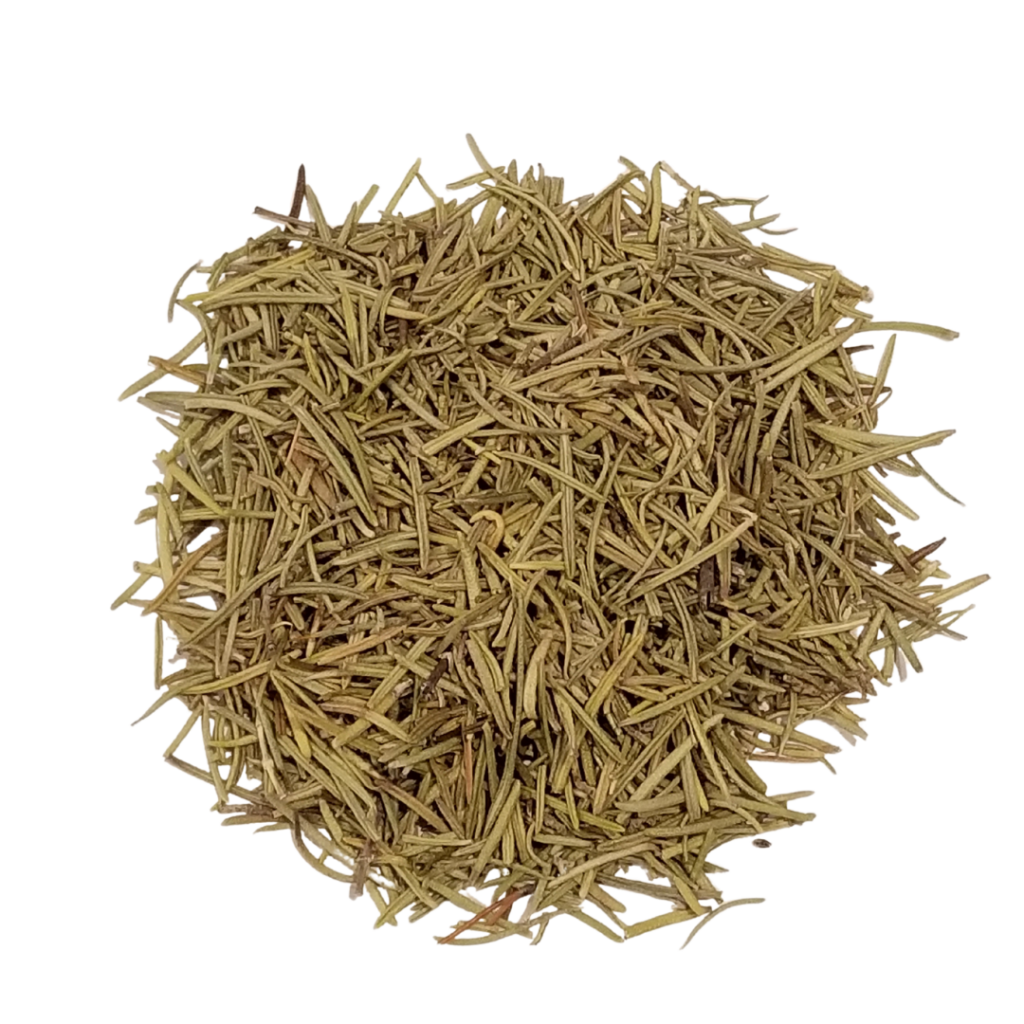
Rosemary
Rosemary has been held in high regard as a culinary, cultural, and spiritual herb that has been cultivated for over 5,000 years for a nearly unlimited purpose. Sprigs of Rosemary have been placed upon the graves of the deceased since Egyptian times to honor their life, as it’s associated with remembrance and memory. In Roman culture, many men wore crowns…
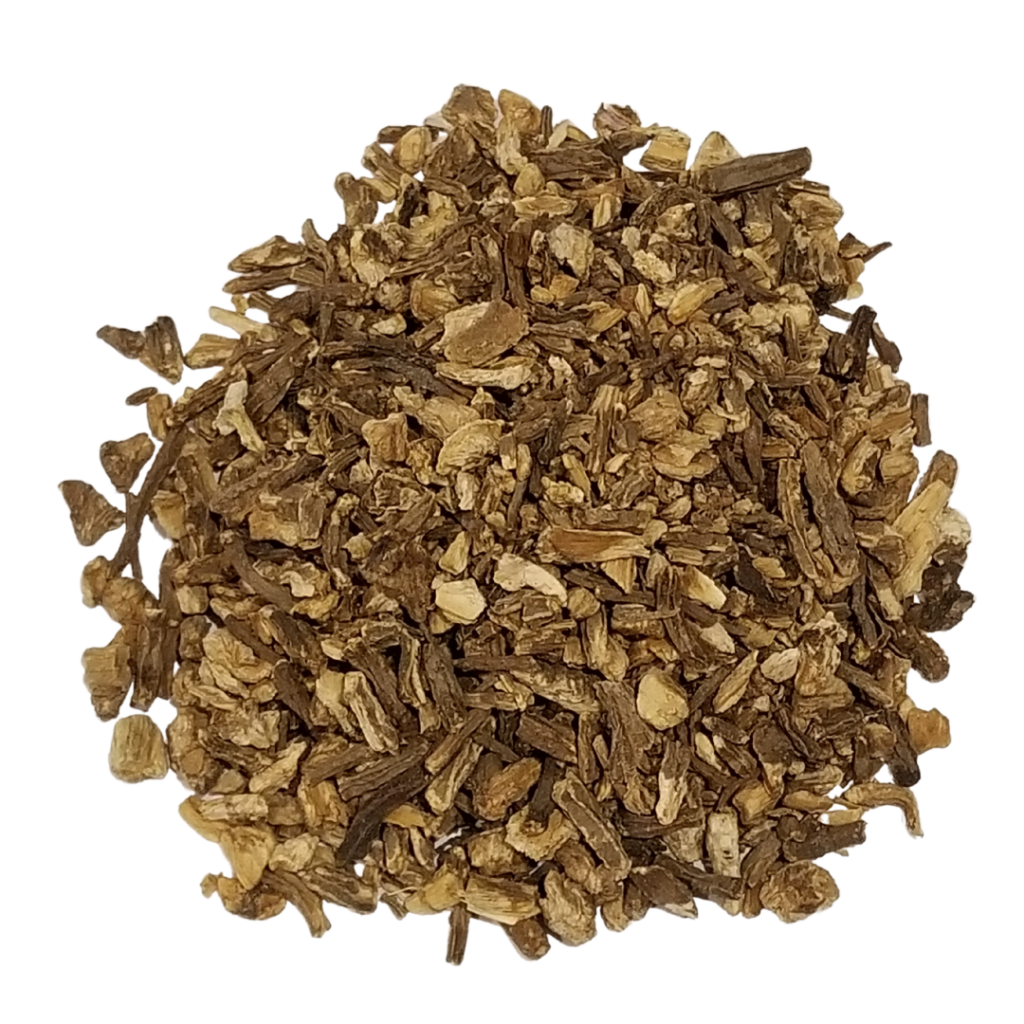
Angelica
Legend has it that an angel came to a monk in a dream to reveal the cure for the plague: Angelica herb. Angelica is considered to be one of the most sacred herbs used throughout centuries in both medicinal and spiritual practices. Blooming on Archangel Michael’s day, it’s said this herb is protected by Michael himself. This protection is extended…
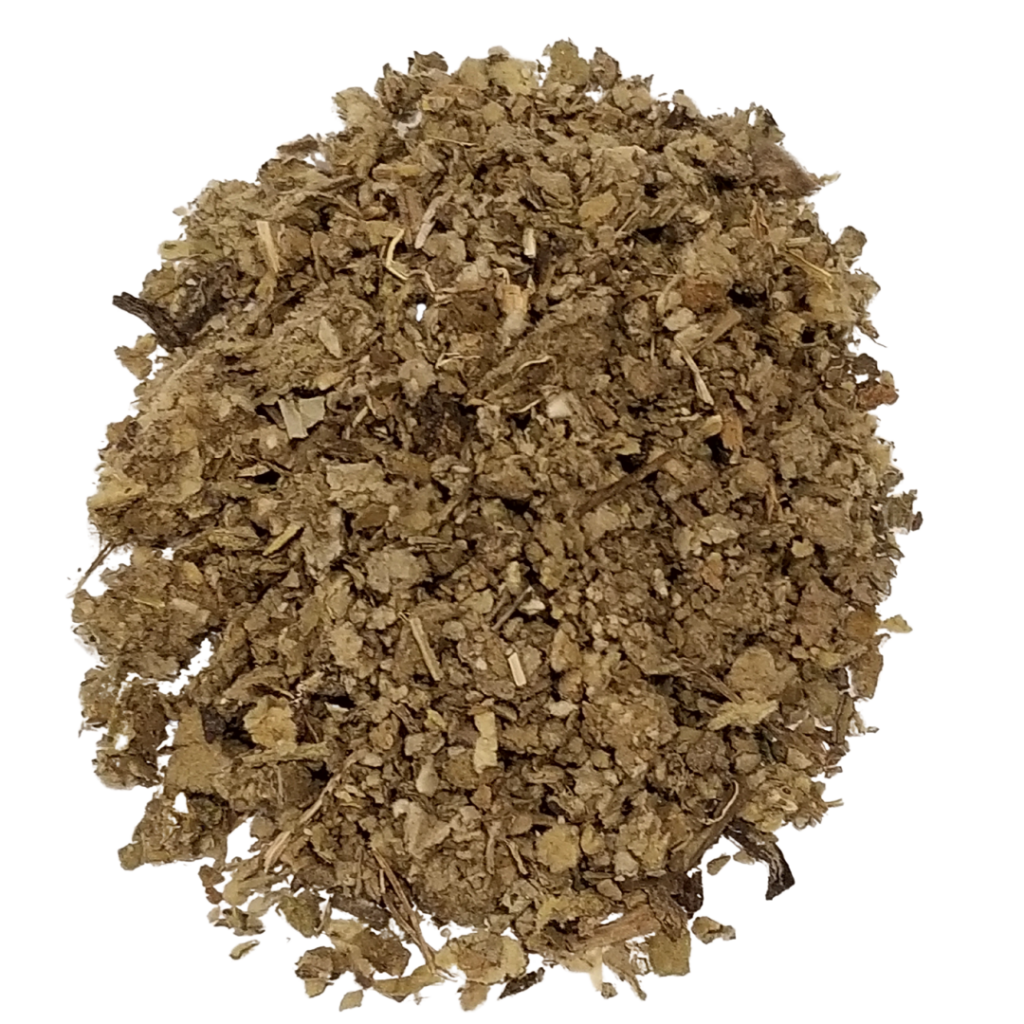
Mullein
Mullein is a member of the figwort family that is native to North Africa, Canary Islands, and many regions of Asia and Europe, but grows in most ecosystems lavishly. Its seeds can remain viable for use for up to 70 years. Considered to be one of many sacred herbs, Mullein has been used to banish negative spirits, entities, and energies…
 Wicca: A Year and a Day