
Chrysanthemum
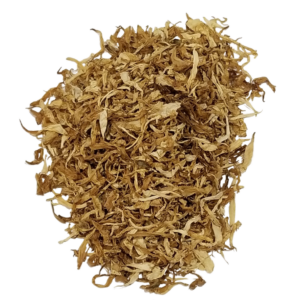 Chrysanthemum has been grown for roughly three thousand years. Originally planted in China, its beauty has since stretched across the world, captivating it with its ornamental, medicinal, and ceremonious properties. In the early 15th century B.C., the bloom was cultivated heavily in China and had been adopted as a staple for ceremonial tea. Soon enough, the plant had been eyed for ornamental purposes in Japanese culture, before finally making its way to the shores of Britain in the middle of the nineteenth century. The name “Chrysanthemum” was adopted later on, derived from the Greek words for “gold” and “flower”.
Symbolizing rebirth, the Chrysanthemum embodies the energy of the Sun. It works to revitalize and rebalance Yang energies, while instilling cheerfulness and strength through obstacles. White Chrysanthemums hold the power of truth, purification, and healing, while red Chrysanthemums embody the warmth of love.
Medicinally, Chrysanthemum has been steeped as an herbal tea, taken as a capsule, or used with food to help treat chest pains, the common cold, and high blood pressure. It works to increase blood flow and may increase sensitivity to insulin. Externally, Chrysanthemum has been used to help dry, puffy eyes when made into a compress.
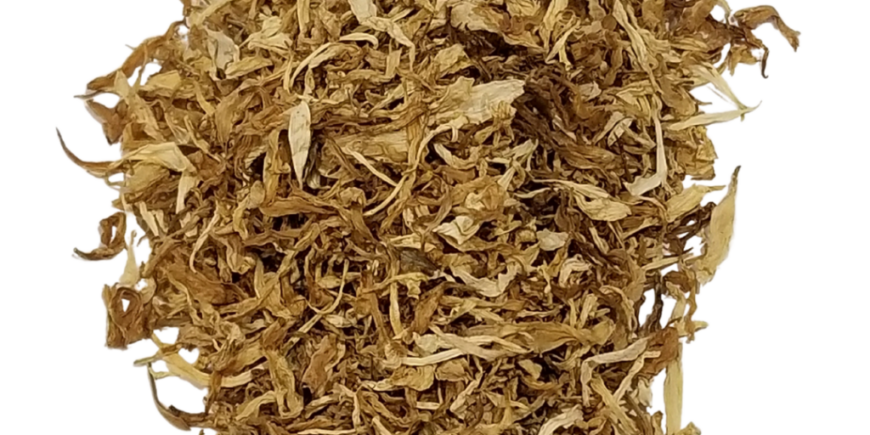
Plant Chrysanthemum on your property to protect against unwanted or stagnant energies and spirits. Give Chrysanthemum plants or cut flowers to a loved one for the same purposes. This plant typically blooms around the same time as Samhain, after which the flower heads can be plucked and tried for herbal tea blends.
You can shop for chrysanthemum products here.
It is recommended that you consult with a qualified healthcare practitioner before using herbal products, particularly if you are pregnant, nursing, or on any medications. This information has not been evaluated by the Food and Drug Administration. This product is not intended to diagnose, treat, cure, or prevent any disease. For educational purposes only.
It is imperative that you know your own sensitivities or allergies before working with any herbs. Be sure to research your herbs prior to working with them. Also be aware of any sensitivities that may occur with your pets.
There are no comments