
Suddhodana
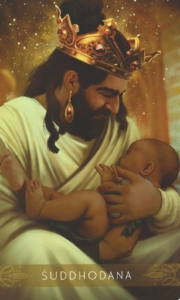 Show up as a source of emotional support for others. Relinquish emotional responsibility and step into holding space for the benefit of yourself and others.
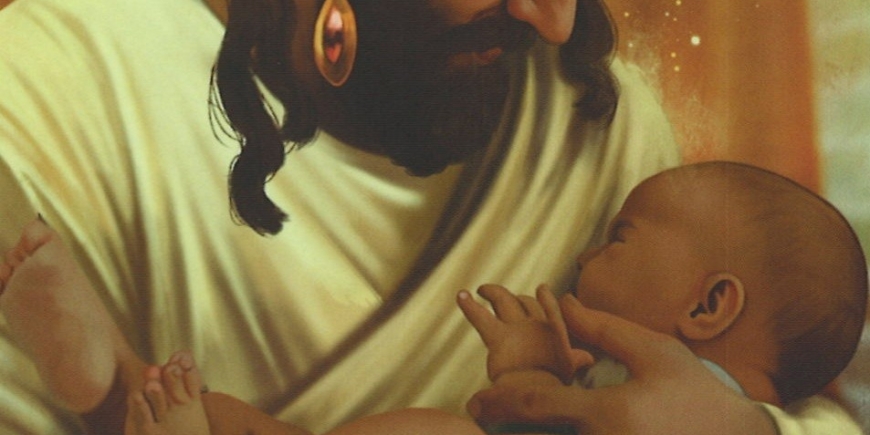
Suddhodana, meaning ‘he who grows pure rice’, was the king of the Shakya people – an eastern sub-Himalayan ethnic group. Ruling with his wife, Maya Devi, Suddhodana came to be the father of the Buddha. Maya dreamt of a son destined to be a great king or a religious leader. When his wife passed seven days after giving birth to his son, Suddhodana, overcome with grief, became overly protective. He attempted to keep Gautama from being a religious leader by keeping his son sheltered from human suffering. He ensured Gautama remained within the confines of the palace, experiencing only pleasure and happiness. By keeping Gautama away from the contrast pain offers pleasure, Suddhodana pushed him toward the one thing he tried to keep him from.
Suddhodana’s Message
A first-time dad watches on nervously as his baby son takes his first steps, concerned for any stumbles and falls that may occur. Thirty years later, the same man watches his grandson take his first steps. Instead of hesitation, he now smiles, free of nerves. After watching his son’s life journey, he understood that the stumbles and falls were needed to learn how to become competent at walking and then, eventually, running.
When you feel overly responsible for the emotions and journey of another, know that it is not your place to take away every possible pitfall and pain for them. You can always be a support, holding space and providing insight when you can. However, part of learning is stumbling and falling. To take away all the hardship, emotional pain and problems is to take away the growth, learning and development of resiliency.
What you think is best for someone might be the very thing that hinders their growth. Depending on a person’s life path, they may need certain experiences to be a catalyst of wisdom, growth or a certain set of circumstances to send them on a particular winding path. Showing up to guide, counsel and support can be beautiful – although stepping back, relinquishing control and allowing a person to make their own choices and mistakes is essential.
The best way to become a holder of space for another person’s hard times is to face your shadow. When you become sufficient at facing your darkness and sitting in discomfort, you can comfortably do the same for another without feeling drained.
Knowing that periods of darkness and difficult serve a purpose in the bigger picture can help you not run from your own and other people’s shadows. Strive toward emotional support rather than emotional responsibility, and see how you show up for yourself and others transform. You will no longer feel drained or feel a desire to control.
There are no comments