
Ginkgo Leaf
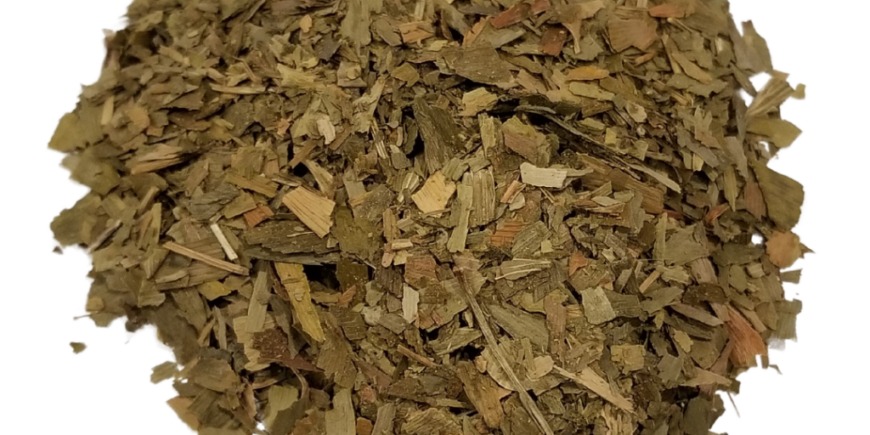
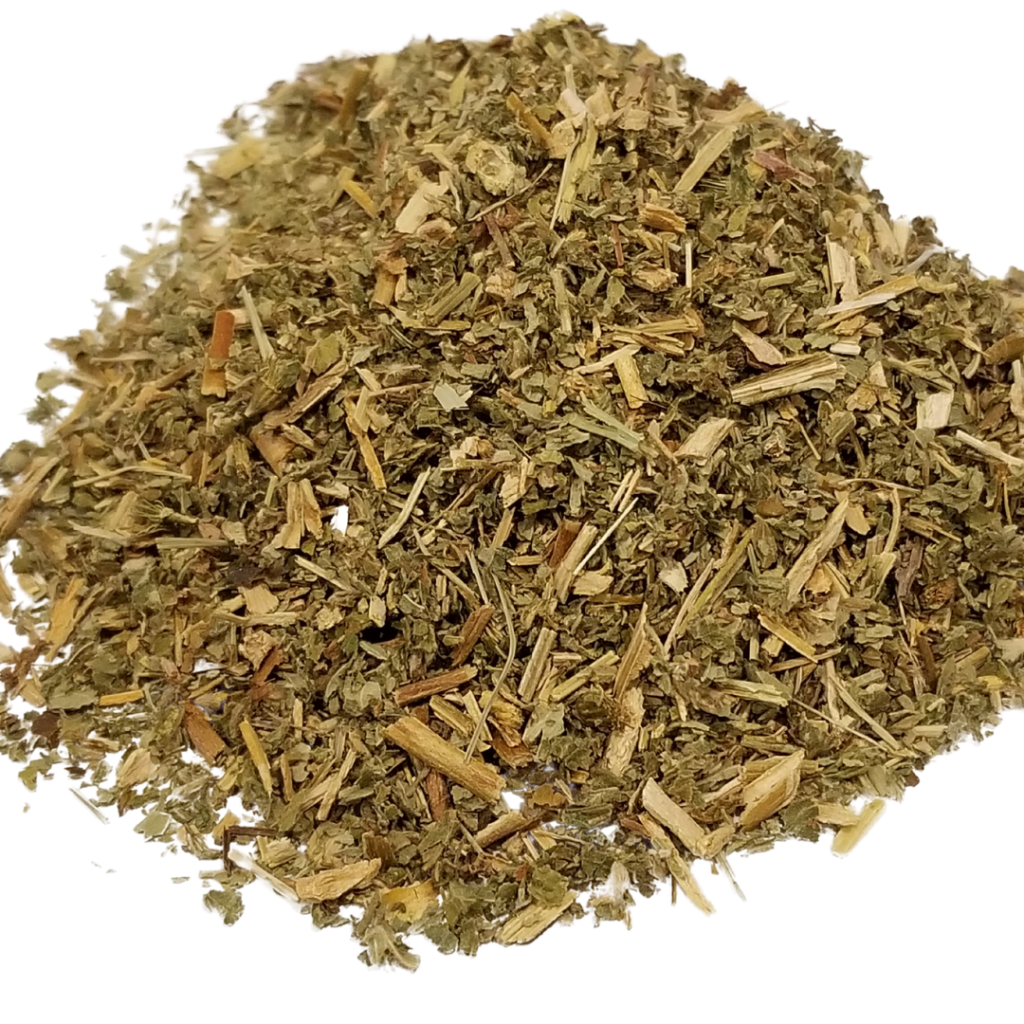
 The longest living “fossil” of gymnosperms, the Ginkgo tree, is the single remaining representative of the order Ginkoales, which has been dated back to the Permian period over 270 million years ago. Alongside its 19 family members, the Ginkgo stood up to fifty to eighty feet tall while the dinosaurs roamed the same lands. Its biology astounds scientists, as it is one of the only species on earth whose genetics contain notes from each of its ancestors. Though the leaves are not particularly attractive to bugs and other pests, its roots get enough nutrients fairly easily, that the Ginkgo can grow in even some of the harshest conditions.
Engelbert Kaempfer was the first Westerner to stumble upon this medicinal beauty while in a trading station for the Dutch East India Company in 1692. The most educated guess puts its record of medicinal use in China roughly 1,000 years ago. Its seed has been used in soups and as a side dish incorporated into daily life in the East, whereas the Western perspective utilizes the leaves of the Ginkgo more often. The wood was used in the East traditionally to build religious or sacred furniture, or carried around for healing and protective purposes. Both the Chinese and Japanese have used Ginkgo in Buddhist practice and would plant it throughout and around temples or shrines to encourage both healing and protection within sacred grounds.
One of the top selling herbal supplements in the Western hemisphere today, Ginkgo is used most often for its memory improving qualities, but the truest gem of this tree is its ability to increase the rate ones’ blood flows through the arteries, allowing for ease of circulation and, possibly, resolving many blood-flow related issues. It’s been tested in studies regarding slowing the progression of Alzheimers’ and some forms of dementia; its ability to increase blood flow has also shown to help improve the chances of stroke occurring as the body ages. Ginkgo can improve cramping in the legs due to decreased flow of cholesterol and boosts the flow function in penises that may endure erectile dysfunction as a result of slim arteries, while also increasing the libido of those who go through menopause.
It is not advised to take Gingko in the days leading up to surgery.
Ginkgo can be used in magicks associated with love and fertility; its leaves particularly used for healing magick. It can be burned or placed in a sachet for use as an aphrodisiac.
It is recommended that you consult with a qualified healthcare practitioner before using herbal products, particularly if you are pregnant, nursing, or on any medications.
This information has not been evaluated by the Food and Drug Administration. This product is not intended to diagnose, treat, cure, or prevent any disease. For educational purposes only.
It is imperative that you know your own sensitivities or allergies before working with any herbs. Be sure to research your herbs prior to working with them. Also be aware of any sensitivities that may occur with your pets.
You can purchase Ginkgo Leaf products here.
There are no comments