

Hawthorn
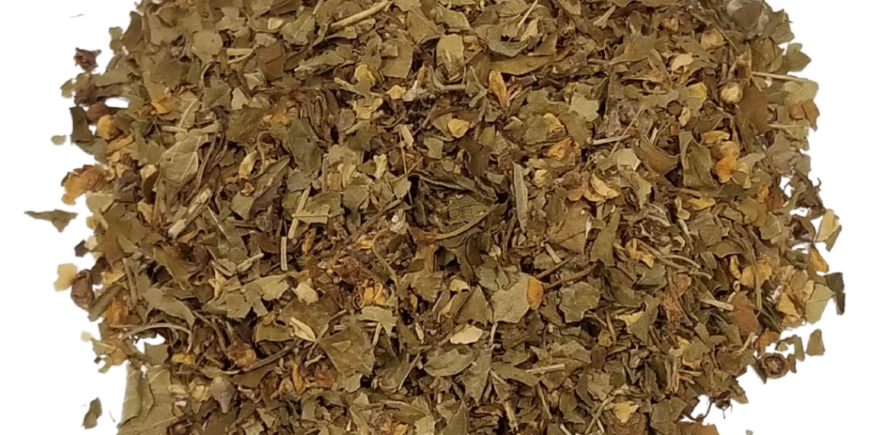
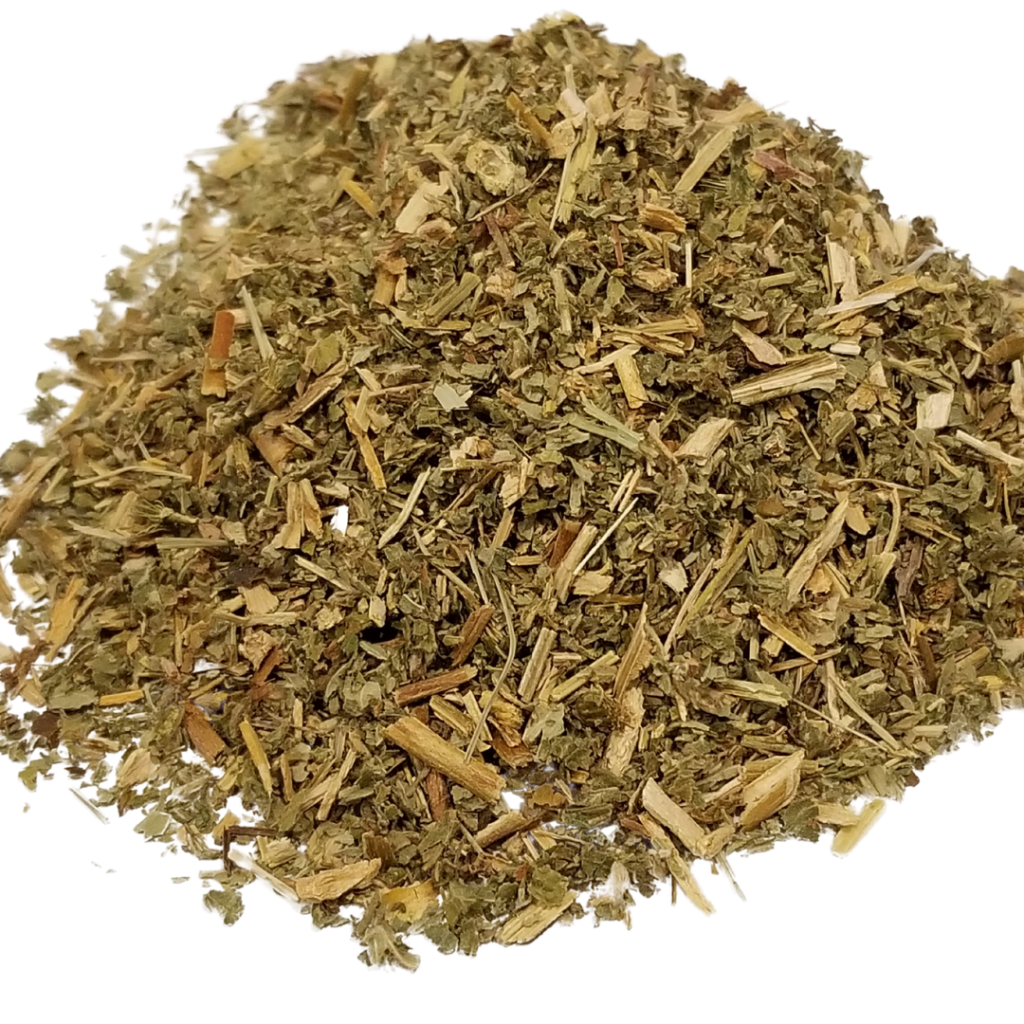
 A temperate native to Europe, East Asia, and parts of North America, Hawthorn sits proudly on the lawns of many, boasting its bright red berries and lavish green leaves. Now wildcrafted (gathered in the wild) in native and non-native areas around the world, Hawthorn’s generic name, Crataegus, is rooted in the Greek word ‘kratos’, meaning ‘hard’ or ‘strong’.
Many species of Crataegus have been used by tribes in North America for generations to help with symptoms of abdominal pain, slow blood flow and circulation, colic after childbirth and pain from hernias. It’s been used to help treat ailments of the bladder, consumption, diarrhea, and back pain. As a poultice, it can help ease muscle spasms, bring down swelling and cease menstrual flow.
Described in A Modern Herbal (Maude Grieve, 1931) as a diuretic, astringent, and tonic actions, Hawthorn has also become a staple for matters of the heart. Paired with a nerve-soothing herb, like Scullcap, Hawthorn’s mild sedative effect can help ease conditions of the heart associated with anxiety and nervousness. It was written in the 1600’s by Nicholas Culpeper (an English physician) that it is good for “inward tormenting pains”. It’s noted in many studies that the active constituents in Hawthorn can actively help lower blood pressure and can have anti-inflammatory effects that help protect your cells from oxidative stress (an imbalance of free radicals and antioxidants in the body).
Hawthorn has been linked to the fae and is often referred to as a ‘gateway’ to the world of fairies. He shows us the mirror of our true selves and allows for acknowledgment of that which is need of change in our lives, particularly if our actions are seen as offensive or detrimental to ourselves and others. It helps us remember the line between offending and healing and allows room for a perspective of growth and compassion as we learn and implement what we now know. It can be steeped in tea, burned upon self-igniting charcoal, ground and taken in capsule form. It is likely best used over four to eight weeks as a tea, capsule or tincture to feel its best effect.
Disclaimer: Hawthorn is generally considered safe when used at recommended doses short-term (up to 16 weeks). It caused no significant side effects in studies. The most common adverse effects are vertigo and dizziness, though less commonly it may trigger nausea and other intestinal symptoms, fatigue, headache, palpitations, sedation, nosebleeds and sweating. Overdosing can result in low blood pressure and cardiac arrhythmias.
Hawthorn may increase the effectiveness of some heart medications and interfere with others. Only take it under your healthcare provider’s supervision if you’ve been prescribed blood pressure medication or Lanoxin (digoxin), and don’t take it with other herbs or supplements that have cardiac effects.
It is recommended that you consult with a qualified healthcare practitioner before using herbal products, particularly if you are pregnant, nursing, or on any medications.
This information has not been evaluated by the Food and Drug Administration. This product is not intended to diagnose, treat, cure, or prevent any disease.
It is imperative that you know your own sensitivities or allergies before working with any herbs. Be sure to research your herbs prior to working with them. Also be aware of any sensitivities that may occur with your pets.
You can purchase Hawthorn products here.
There are no comments
 Dark Moon Mysteries
  White Sage Wand, 4 inch
  Meadowsweet
  Mullein Leaf