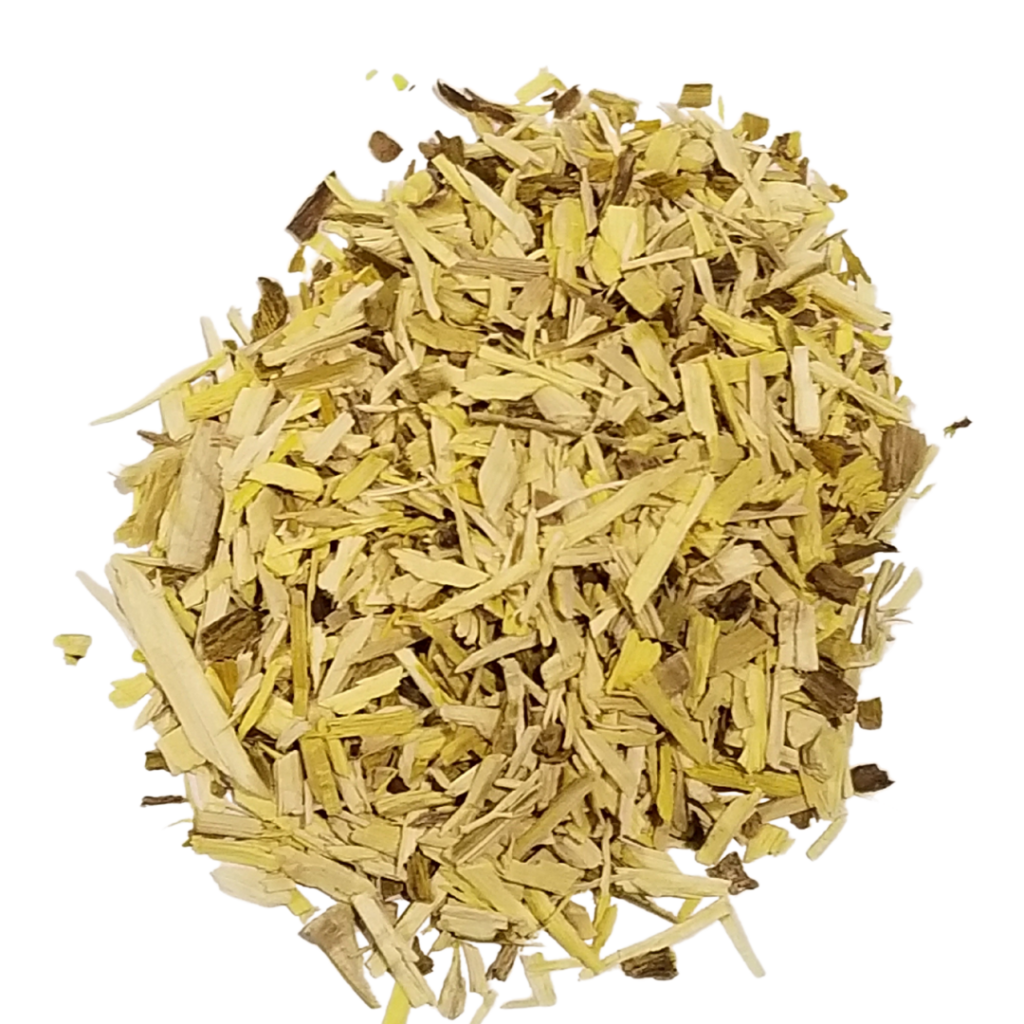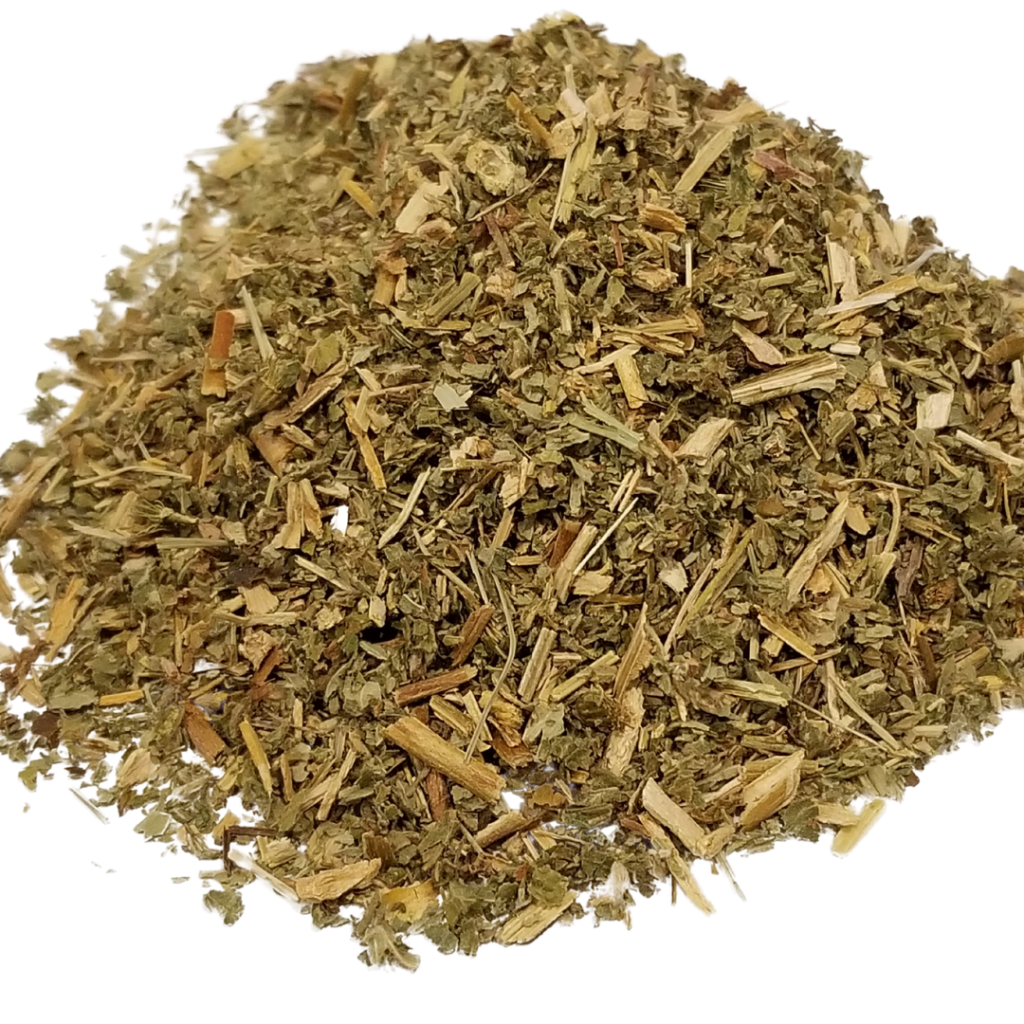

Angelica
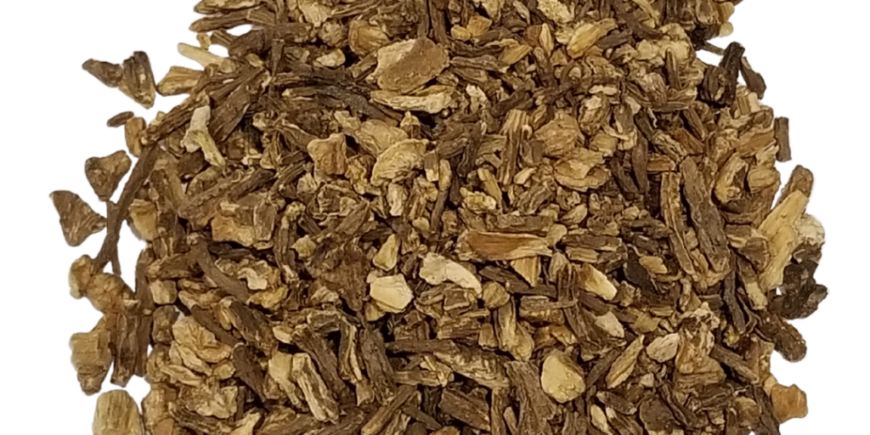
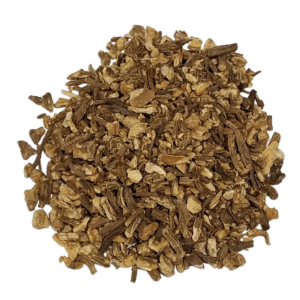 Legend has it that an angel came to a monk in a dream to reveal the cure for the plague: Angelica herb. Angelica is considered to be one of the most sacred herbs used throughout centuries in both medicinal and spiritual practices. Blooming on Archangel Michael’s day, it’s said this herb is protected by Michael himself. This protection is extended to those who recognize and utilize the multiple uses of this herb. Used as a cure for the plague until the mid-1600’s, Angelica was then coated and candied to be sold to the masses as a stomach strengthening delicacy, rivaled only by candied Ginger root as a favorite among the Danes.
The roots, leaves, and seeds of Angelica can be used for medicine and enjoyment. The roots and stems are typically candied. The seeds of some types of Angelica can be toxic, but the roots, leaves, and stems can be used as flavoring and as flavoring for liquor.
The roots have diuretic properties, as well as, tonic and expectorant properties, meaning it works best when used regularly, over time (according to healthcare provider’s advice), and help expel mucus from the lungs. The stems help stimulate the intestines and can help with flatulence and to ease a queasy stomach.
In general, Angelica can be used to help with coughs, colds, colic, rheumatism, fever, plague, insomnia, kill germs, and overall health, but may interact with blood thinners or drugs that carry a grapefruit warning, as it can increase your blood pressure when ingested incorrectly. Angelica may also make your skin more sensitive to light, so be sure to wear sunblock when using Angelica regularly.
You can shop for angelica products here.
It is recommended that you consult with a qualified healthcare practitioner before using herbal products, particularly if you are pregnant, nursing, or on any medications.
This information has not been evaluated by the Food and Drug Administration. This product is not intended to diagnose, treat, cure, or prevent any disease.
It is imperative that you know your own sensitivities or allergies before working with any herbs. Be sure to research your herbs prior to working with them. Also be aware of any sensitivities that may occur with your pets.
There are no comments